

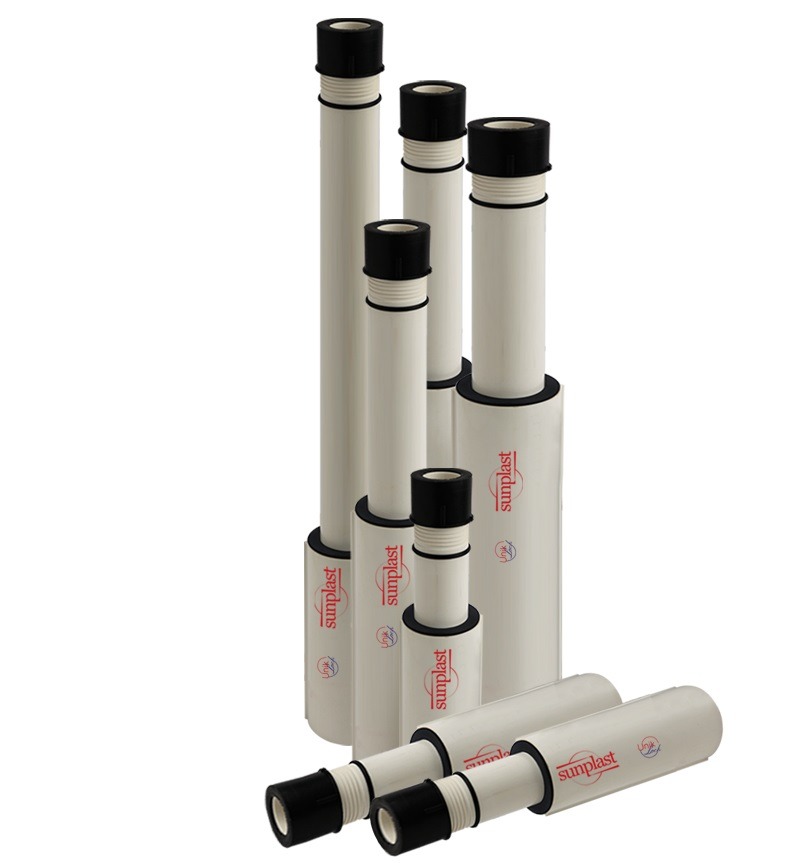
Ensuring a reliable and durable main water line is crucial for any plumbing system. When selecting the main water line materials, it's essential to choose pipes that can withstand the rigors of constant water flow and varying environmental conditions. In this comprehensive guide, we'll explore the various options for suitable pipes for water mains to help you make an informed decision for your home or project. Whether you're a homeowner or a plumber, understanding the water supply pipe options available is key to maintaining a dependable water supply.
Main water lines serve as the backbone of residential and commercial plumbing systems, delivering clean water for drinking, cooking, bathing, and more. The type of pipe used for these critical lines plays a significant role in the overall performance and longevity of the plumbing infrastructure. Let's delve into the different types of pipes commonly utilized for main water lines and the factors to consider when selecting the most suitable option for your needs.
Main water lines, also known as water mains, are the primary pipes that deliver potable water from the municipal supply to buildings, residences, and other structures. These pipes are typically buried underground and connect to the water meter, which measures the amount of water consumed by the property. Main water lines are designed to withstand high water pressure and deliver a steady flow of water to meet the demands of the occupants.
PVC pipes are among the most popular choices for main water lines due to their affordability, durability, and versatility. These pipes are made from a synthetic plastic polymer called polyvinyl chloride.
Advantages:Copper pipes have been a staple in plumbing systems for decades due to their durability, reliability, and long-term performance. These pipes are made from solid copper metal and are known for their excellent corrosion resistance.
Advantages:HDPE pipes are a popular choice for main water lines, particularly in underground installations, due to their exceptional strength, flexibility, and resistance to corrosion.
Advantages:Galvanized steel pipes have been widely used for main water lines in the past due to their strength, durability, and resistance to corrosion. These pipes are made from steel coated with a layer of zinc to protect against rust and corrosion.
Advantages:PEX pipes have gained popularity in recent years for main water line applications due to their flexibility, ease of installation, and resistance to freezing. These pipes are made from a cross-linked polyethylene polymer that enhances their strength and durability.
Advantages:Selecting the right type of pipe for main water lines is essential to ensure a reliable and efficient plumbing system. By understanding the characteristics and considerations associated with each pipe material, homeowners and plumbers can make informed decisions that meet their specific needs and budget constraints. Whether it's PVC, copper, HDPE, galvanized steel, or PEX, choosing the appropriate pipe material will contribute to the long-term performance and sustainability of the water supply infrastructure.
| Gi Pipes Manufacturer | Pvc Pipe Manufacturer | Steel Pipe Manufacturer | HDPE Pipe Manufacturer |
| Polyethylene Pipe Manufacturer | PVC-U Pipe Manufacturer | Galvanized Pipe Manufacturer | CPVC Pipe Manufacturer |
Q: Which pipe material is the most cost-effective option for main water lines?
A: The most cost-effective option depends on various factors such as initial cost, maintenance expenses, and long-term durability. PVC pipes are often considered the most budget-friendly option due to their affordability and low maintenance requirements.
Q: Are there any eco-friendly options available for main water line pipes?
A: Yes, some pipe materials offer environmental benefits. High-Density Polyethylene (HDPE) pipes and Cross-Linked Polyethylene (PEX) pipes are known for their recyclability and reduced environmental impact compared to traditional materials like copper and galvanized steel.
Q: Can I install PEX pipes for main water lines in cold climates?
A: Yes, PEX pipes are suitable for cold climates and are often preferred for their resistance to freezing. However, proper insulation and installation techniques are necessary to prevent damage from extreme temperatures.
Q: How long do copper pipes typically last in main water line installations?
A: Copper pipes are known for their durability and can last for several decades if properly installed and maintained. The lifespan of copper pipes can vary depending on factors such as water quality, soil conditions, and installation practices.
Q: Are there any regulations or standards I need to consider when choosing a pipe material for main water lines?
A: Yes, it's essential to adhere to local building codes and regulations when selecting and installing main water line pipes. Additionally, pipe materials should meet relevant industry standards such as those set by ASTM International and the NSF (National Sanitation Foundation) to ensure quality and safety.
