

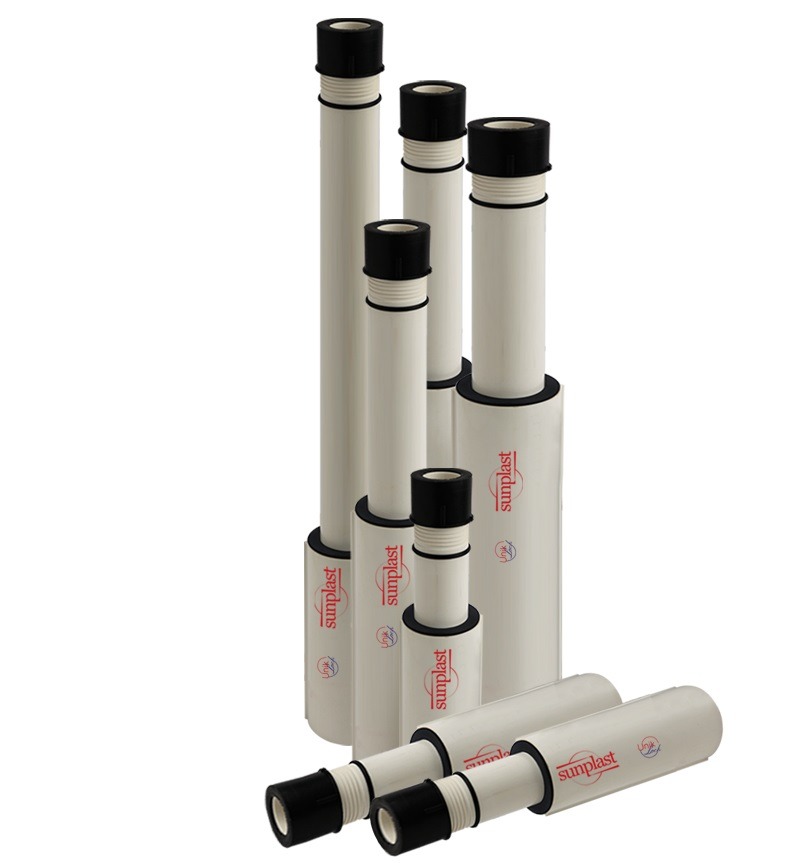
Understanding pipe scaffolding is essential for anyone involved in the construction industry. Pipe scaffolding provides a safe and stable platform for workers, enabling them to perform tasks at elevated heights efficiently and securely.
In this comprehensive guide, we will explore the fundamentals of pipe scaffolding, its historical significance, importance in modern construction, materials used, specifications, and where to find high-quality scaffolding pipes. Whether you're a construction professional or simply curious about the topic, this article covers everything you need to know about scaffolding pipe types, construction pipe scaffolding, and scaffolding materials for building projects.
Definition: Pipe scaffolding is a temporary structure made primarily of metal pipes, designed to support workers and materials during construction, maintenance, or repair activities at heights. It is a crucial component in ensuring the safety and efficiency of construction projects.
These various types of scaffolding are tailored to meet the specific needs of different construction tasks, ensuring that workers have the appropriate support for their work.
Ancient Use: Scaffolding has been an integral part of construction for centuries. Early examples include:
Evolution: Over centuries, scaffolding materials and techniques have evolved. The transition from wooden poles to metal pipes marked a significant advancement in the durability and safety of scaffolding systems. Today, galvanized steel pipes are the standard due to their strength and resistance to corrosion.
This historical context highlights the enduring importance of scaffolding in construction and its evolution to meet modern demands.
In earlier times, scaffolding was made from wood and bamboo. These materials, while effective, had limitations in terms of strength and durability. Wooden scaffolding was susceptible to weather conditions, and bamboo, though flexible, could not support as much weight as metal.
Galvanization: This process involves coating steel with a protective layer of zinc, which prevents rust and corrosion, ensuring the pipes remain durable and reliable over time.
Versatility: Modern steel pipes are not only used in scaffolding but also in various other construction applications, demonstrating their versatility and importance in the industry.
Scaffolding pipes must meet specific standards to ensure safety and reliability. Here are the key specifications:
Durability: The materials and design ensure that scaffolding pipes are robust and long-lasting, capable of supporting significant loads and withstanding harsh environmental conditions.
Load Capacity: Properly designed scaffolding can bear substantial weight, supporting workers, tools, and materials safely. This load-bearing capacity is crucial for ensuring that construction tasks can be carried out without the risk of structural failure.
Compliance: Scaffolding pipes must comply with industry standards and regulations to ensure they meet safety requirements. Regular inspections and maintenance are necessary to keep the scaffolding in good condition and to prevent accidents.
Scaffolding Materials for Building Projects: Using the right materials for scaffolding is crucial for ensuring the safety and efficiency of construction projects. Galvanized steel and aluminum are the preferred choices due to their durability, strength, and resistance to environmental factors.
Pipe scaffolding is a vital component in construction, providing safety, stability, and efficiency. Understanding its history, materials, specifications, and benefits can help you make informed decisions for your building projects. For high-quality scaffolding pipes, ensure you choose a reputable supplier who guarantees durability and reliability.
| Gi Pipes Manufacturer | Pvc Pipe Manufacturer | Steel Pipe Manufacturer | HDPE Pipe Manufacturer |
| Polyethylene Pipe Manufacturer | PVC-U Pipe Manufacturer | Galvanized Pipe Manufacturer | CPVC Pipe Manufacturer |
Q1: What is pipe scaffolding used for?
Answer: Pipe scaffolding is used to provide a temporary structure that supports workers and materials during construction, maintenance, or repair activities at heights. It ensures safety and stability, allowing workers to perform their tasks efficiently and securely.
Q2: What materials are commonly used for pipe scaffolding?
Answer: The most common materials used for pipe scaffolding are galvanized steel pipes and aluminum pipes. Galvanized steel pipes are preferred for their strength and durability, while aluminum pipes are valued for their lightweight and ease of handling. Other materials like zinc-coated and hot-rolled steel tubes are also used.
Q3: How does galvanized steel benefit scaffolding?
Answer: Galvanized steel is coated with a protective layer of zinc, which prevents rust and corrosion. This process enhances the durability and longevity of the scaffolding pipes, making them suitable for long-term use in various weather conditions and ensuring the safety and stability of the structure.
Q4: What are the safety precautions to take when using pipe scaffolding?
Answer: Safety precautions when using pipe scaffolding include ensuring proper assembly and regular inspections, using guardrails and safety nets, providing workers with appropriate safety gear (such as helmets and harnesses), and training workers on safe practices. Additionally, it's crucial to source high-quality materials from reputable suppliers to guarantee the scaffolding's integrity.
Q5: How do you choose the right type of scaffolding for a construction project?
Answer: Choosing the right type of scaffolding for a construction project depends on several factors, including the height of the structure, the nature of the work being performed, and the site conditions. Trestle scaffolding is suitable for indoor work, while suspended scaffolding is ideal for exterior tasks on tall buildings. Consulting with a scaffolding expert can help determine the most appropriate type for your specific needs.
