

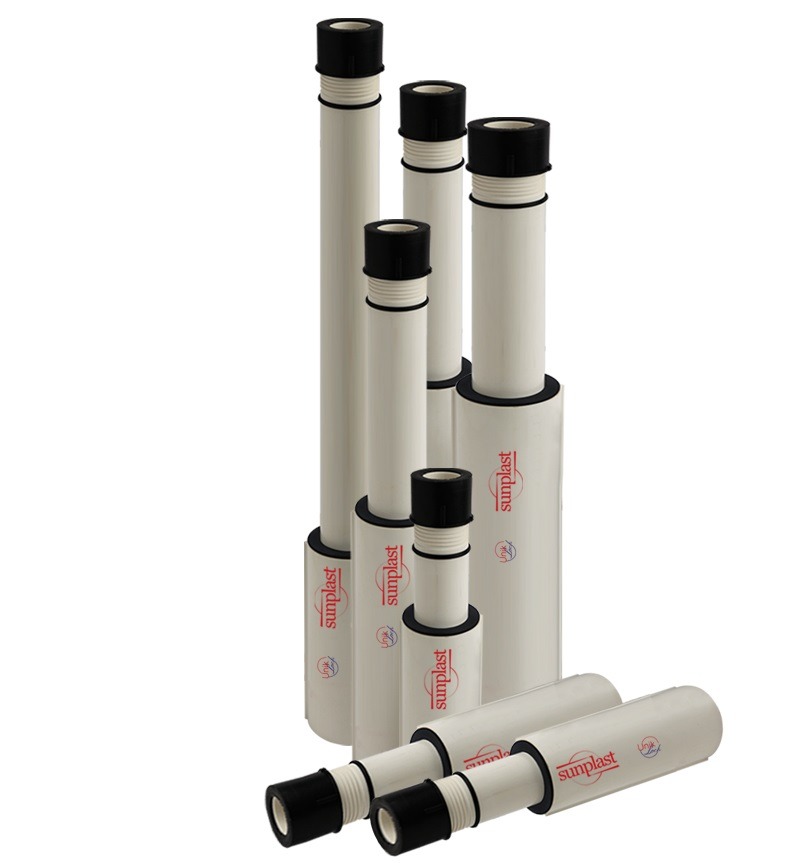
Galvanized pipes have been a staple in plumbing systems for decades, known for their durability and resistance to corrosion. However, as technology advances and concerns over water quality grow, understanding the intricacies of galvanized pipes becomes increasingly important. In this comprehensive guide, we'll delve into the definition of galvanized pipe, explain the galvanization process, and explore the risks associated with these pipes. Whether you're a homeowner, plumber, or industry professional, this article aims to provide you with all the necessary information to make informed decisions regarding galvanized pipes.
Galvanized pipes, also known as galvanized steel pipes, are steel pipes that have been coated with a layer of zinc to protect them from rust and corrosion. This process, known as galvanization, involves immersing the steel pipes in molten zinc, which forms a protective barrier against environmental elements. The result is a durable and long-lasting pipe that is commonly used in various plumbing applications.
The galvanization process begins with the preparation of the steel surface, which involves cleaning and degreasing to ensure proper adhesion of the zinc coating. Once cleaned, the steel pipes are immersed in a bath of molten zinc at temperatures exceeding 800°F (427°C). As the pipes are removed from the zinc bath, a metallurgical bond forms between the zinc coating and the steel substrate, creating a protective layer that prevents corrosion.
A galvanized pipe refers to a steel pipe that has been coated with a layer of zinc to protect it from rust and corrosion. This process, known as galvanization, involves immersing the steel pipes in molten zinc, which forms a protective barrier against environmental elements. Galvanized pipes are commonly used in plumbing systems due to their durability and resistance to corrosion.
Galvanized steel pipes are steel pipes that have been coated with a layer of zinc through a process called galvanization. This coating of zinc helps protect the steel from corrosion, making galvanized steel pipes ideal for use in plumbing systems, outdoor applications, and industrial settings. Galvanized steel pipes are known for their strength, durability, and longevity, making them a popular choice for various construction projects.
Galvanized pipes are used in a wide range of applications due to their numerous benefits. Some of the key reasons why galvanized pipes are preferred include:
While galvanized pipes offer several advantages, they also pose certain risks that need to be considered. Some of the potential risks associated with galvanized pipes include:
It's essential to be aware of the signs that indicate galvanized pipes may need replacement. Some common indicators that your galvanized pipes require attention include:
When comparing galvanized pipes with alternative pipe materials such as copper, PVC, and PEX, it's crucial to consider various factors beyond just corrosion resistance. Let's delve into the comparison from a different perspective:
By considering these factors, you can make an informed decision when choosing the most suitable piping material for your specific needs and budget. Whether you prioritize cost efficiency, ease of installation, environmental impact, or longevity, there's a piping material that aligns with your preferences and requirements.
If you determine that your galvanized pipes need replacement, it's essential to follow the proper procedures to ensure a successful transition to modern alternatives. Here's a step-by-step guide to replacing galvanized pipes:
In conclusion, galvanized pipes have been a staple in plumbing systems for decades, offering durability and corrosion resistance. However, as advancements in plumbing technology continue, it's essential to understand the risks associated with galvanized pipes and consider modern alternatives. By being aware of the signs that indicate galvanized pipes may need replacement and following proper procedures for installation and maintenance, you can ensure a safe and reliable plumbing system for years to come. If you have any further questions or need assistance with galvanized pipe replacement, don't hesitate to contact a qualified plumbing professional.
| Gi Pipes Manufacturer | Pvc Pipe Manufacturer | Steel Pipe Manufacturer | HDPE Pipe Manufacturer |
| Polyethylene Pipe Manufacturer | PVC-U Pipe Manufacturer | Galvanized Pipe Manufacturer | CPVC Pipe Manufacturer |
Q1: Are galvanized pipes still used in plumbing?
Yes, galvanized pipes are still used in some plumbing applications, although they have become less common due to concerns over corrosion and potential health risks associated with lead contamination.
Q2: How long do galvanized pipes last?
The lifespan of galvanized pipes typically ranges from 40 to 50 years, although this can vary depending on factors such as water quality and environmental conditions.
Q3: Can galvanized pipes be replaced with other materials?
Yes, galvanized pipes can be replaced with alternative materials such as copper, PVC, or PEX to improve durability, water quality, and overall plumbing system performance.
Q4: What are the signs that galvanized pipes need replacement?
Signs that galvanized pipes may need replacement include visible corrosion or rust, changes in water quality or taste, decreased water pressure, and frequent leaks or clogs.
Q5: Are there alternatives to galvanized pipes for corrosion-resistant plumbing?
Yes, there are several alternatives to galvanized pipes for corrosion-resistant plumbing, including copper, PVC, and PEX, each offering different benefits in terms of cost, durability, and ease of installation.
