

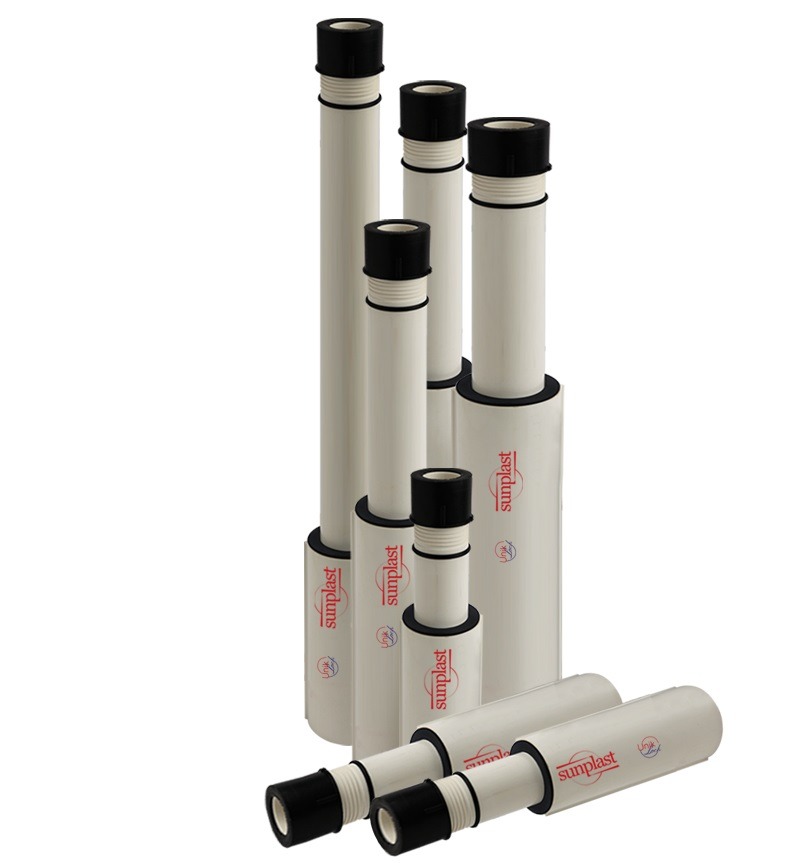
Choosing the right plastic water pipe is crucial for ensuring efficient water distribution in various applications, from residential plumbing to industrial systems. This guide explores the types of plastic water pipes available, helping you make an informed decision based on your specific needs.
Plastic water pipes come in different materials, each offering unique benefits for various applications. From PEX to PVC, understanding the different plastic pipe materials is essential for selecting the right option for your project. In this guide, we’ll delve into the types of plastic plumbing pipes, their features, and their common uses, ensuring you have all the information needed to make the best choice. Whether you are a homeowner looking to upgrade your plumbing or a professional installer, this comprehensive guide will provide valuable insights into the plastic water pipe options available, highlighting their benefits, applications, and factors to consider.
Polyurethane tubing is known for its flexibility and resistance to weathering, tearing, and abrasion. It is ideal for various industrial applications where durability and resistance to oils and fuels are required.
Features of Polyurethane Tubing: Polyurethane tubing is transparent, flexible, and resistant to oils, greases, and fuels. It conforms to FDA standards for use with wet and fatty foods, making it suitable for food-related applications.
Applications of Polyurethane Tubing: Polyurethane tubing is commonly used in cable jacketing, fuel lines for small motors, robotics and instrumentation, clean liquids and gas transfer, and various other industrial applications.
Polypropylene tubing is heat-resistant and durable, making it suitable for transferring hot liquids or gases. It is commonly used in high-temperature and high-pressure applications.
Applications of Polypropylene Tubing: Polypropylene tubing is ideal for vacuum systems and the transfer of hot liquids in laboratory and industrial settings. It is resistant to acids and alkalis but has poor resistance to aromatic, aliphatic, and chlorinated solvents.
When selecting a plastic water pipe, consider the following factors:
Plastic water pipes are used in various applications, including:
Plastic water pipes offer several benefits, such as:
Polyurethane tubing is known for its flexibility and resistance to weathering, tearing, and abrasion. It is ideal for various industrial applications where durability and resistance to oils and fuels are required.
Polyurethane tubing is transparent, flexible, and resistant to oils, greases, and fuels. It conforms to FDA standards for use with wet and fatty foods, making it suitable for food-related applications.
Polypropylene tubing is heat-resistant and durable, making it suitable for transferring hot liquids or gases. It is commonly used in high-temperature and high-pressure applications.
Polypropylene tubing is ideal for vacuum systems and the transfer of hot liquids in laboratory and industrial settings. It is resistant to acids and alkalis but has poor resistance to aromatic, aliphatic, and chlorinated solvents.
When selecting a plastic water pipe, consider the following factors:
Plastic water pipes are used in various applications, including:
Plastic water pipes offer several benefits, such as:
Choosing the right type of plastic water pipe is crucial for the efficiency and longevity of your plumbing system. By understanding the different plastic pipe materials and their applications, you can select the best option for your needs. Consider the factors discussed in this guide when making your decision to ensure optimal performance and reliability.
| Gi Pipes Manufacturer | Pvc Pipe Manufacturer | Steel Pipe Manufacturer | HDPE Pipe Manufacturer |
| Polyethylene Pipe Manufacturer | PVC-U Pipe Manufacturer | Galvanized Pipe Manufacturer | CPVC Pipe Manufacturer |
Q1: What is the difference between PEX and PVC pipes?
PEX pipes are flexible, suitable for both hot and cold water, and are easy to install. PVC pipes are rigid, primarily used for cold water and drainage applications, and are known for their durability and chemical resistance.
Q2: Can LLDPE tubing be used for drinking water?
Yes, LLDPE (linear low-density polyethylene) tubing is FDA approved and NSF certified, making it safe for potable water applications, including water filters and under-sink systems.
Q3: What are the advantages of using silicone tubing?
Silicone tubing is highly flexible, resistant to extreme temperatures, and chemically inert. It is commonly used in medical, food service, and high-purity applications.
Q4: How do I choose the right plastic water pipe for my project?
Consider the chemical compatibility, temperature and pressure ratings, and environmental factors (e.g., UV exposure) of the pipes. The specific application, such as residential plumbing or industrial use, will also guide your choice.
Q5: Are plastic water pipes durable enough for long-term use?
Yes, plastic water pipes, such as PEX, PVC, and polyethylene, are designed to be durable, corrosion-resistant, and long-lasting, often outlasting metal pipes in many applications.
