

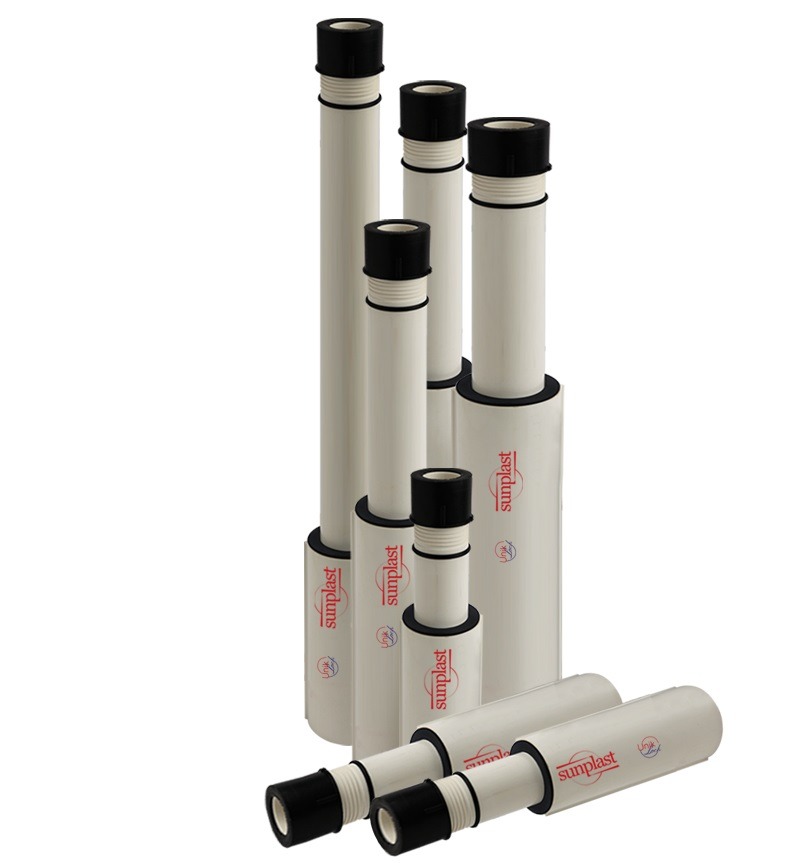
In the vast world of plumbing and piping systems, understanding the nuances of different types of GI (Galvanized Iron) pipe fittings is crucial. These fittings play a vital role in ensuring the seamless flow of liquids and gases while maintaining the structural integrity and longevity of the system. Whether you're a plumber, contractor, or DIY enthusiast, knowing the galvanized iron fittings types, GI pipe connector varieties, and GI pipe fittings classification is essential for successful installations and repairs.
GI pipe fittings are widely used in various industries and applications due to their durability, corrosion resistance, and cost-effectiveness. From residential plumbing projects to industrial installations, these fittings offer versatility and reliability. In this comprehensive guide, we'll delve into the world of GI pipe fittings, exploring their types, advantages, applications, and installation tips. So, let's dive in and unravel everything you need to know about types of GI pipe fittings.
GI (Galvanized Iron) pipe fittings come in various shapes and sizes, each serving a specific purpose in plumbing and piping systems. Understanding the different types of GI pipe fittings is crucial for effectively designing, installing, and maintaining piping networks. Let's explore each type in detail:
Understanding the characteristics and applications of each type of GI pipe fitting is essential for selecting the appropriate fittings for specific plumbing or piping requirements. Whether you're designing a new system or making repairs, choosing the right fittings ensures the efficient and reliable operation of your plumbing infrastructure.
GI (Galvanized Iron) pipe fittings offer several advantages over other types of fittings, making them a popular choice for various plumbing and piping applications. Here are some key advantages:
GI (Galvanized Iron) pipe fittings find extensive use across various industries and sectors due to their durability, corrosion resistance, and versatility. Here are some common applications of GI pipe fittings:
Proper installation and regular maintenance are essential for ensuring the optimal performance, longevity, and safety of GI (Galvanized Iron) pipe fittings. Here are some valuable tips to follow during installation:
In conclusion, understanding the different types of GI pipe fittings is essential for anyone involved in plumbing or piping systems. Whether you're a professional plumber or a DIY enthusiast, knowing the galvanized iron fittings types, GI pipe connector varieties, and GI pipe fittings classification will help you make informed decisions and ensure the efficiency and longevity of your piping systems. By choosing the right fittings and following proper installation and maintenance practices, you can enjoy reliable and leak-free plumbing for years to come.
| Gi Pipes Manufacturer | Pvc Pipe Manufacturer | Steel Pipe Manufacturer | HDPE Pipe Manufacturer |
| Polyethylene Pipe Manufacturer | PVC-U Pipe Manufacturer | Galvanized Pipe Manufacturer | CPVC Pipe Manufacturer |
Q1: What are GI pipe fittings made of?
A: GI (Galvanized Iron) pipe fittings are made of iron or steel coated with a layer of zinc through a process called galvanization. This coating protects against corrosion and rust, making the fittings durable and long-lasting.
Q2: What are the advantages of using GI pipe fittings?
A: The advantages of GI pipe fittings include durability, corrosion resistance, affordability, ease of installation, compatibility with various piping materials, and fire resistance. These fittings are suitable for a wide range of applications in plumbing, irrigation, construction, and infrastructure projects.
Q3: How do you install GI pipe fittings?
A: To install GI pipe fittings, clean and prepare the pipe ends, apply thread sealant to the male threads, align the pipes and fittings properly, tighten the connections securely, and conduct a pressure test to check for leaks. Proper planning, preparation, and adherence to installation guidelines are essential for a successful installation.
Q4: What maintenance is required for GI pipe fittings?
A: Regular maintenance of GI pipe fittings involves inspecting for signs of corrosion, leaks, or damage, cleaning to remove debris or corrosion buildup, lubricating threaded connections, repairing or replacing damaged fittings as needed, and monitoring environmental conditions that may affect their performance.
Q5: Where are GI pipe fittings commonly used?
A: GI pipe fittings are commonly used in various industries and applications, including plumbing systems in residential, commercial, and industrial buildings; water supply and distribution networks; irrigation systems in agriculture; oil and gas pipelines; HVAC (Heating, Ventilation, and Air Conditioning) systems; fire protection systems; and construction projects for structural supports and infrastructure installations.
