

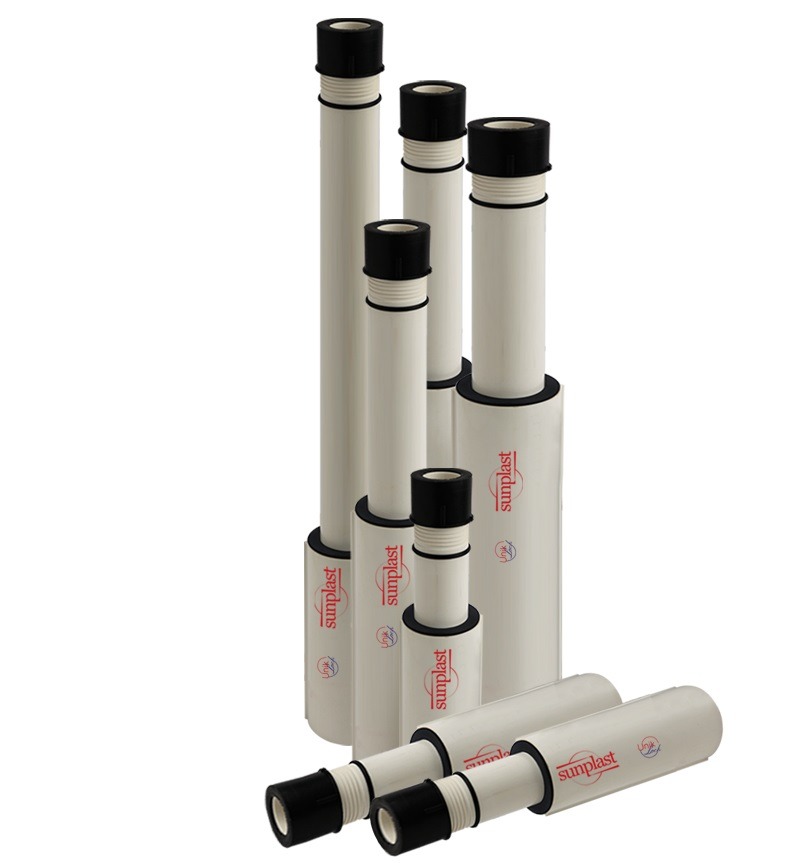
Water pipes play a crucial role in our daily lives by ensuring the safe transport of water to and from homes, businesses, and industrial facilities. Definition of water pipe: A water pipe is a system of tubes designed to convey water from one location to another. Understanding the various types of water pipes, their materials, and their specific uses can help in selecting the right kind of pipe for your needs. In this article, we'll explore the purpose of water pipes, the different types available, and what to consider when purchasing them.
A water pipe is a system designed to transport water from a source to a destination, ensuring safe and efficient water conveyance. These pipes are essential in residential, commercial, and industrial settings, facilitating daily activities like drinking, cooking, cleaning, and manufacturing. Water conveyance pipes are critical for maintaining the infrastructure that supports modern life, making the selection of appropriate materials and types vital for safety and efficiency.
Description and Uses: Galvanized steel or iron pipes are coated with zinc to prevent rusting. These pipes have been widely used in older homes and for outdoor applications. They are suitable for transporting water under high pressure.
Advantages: Durable, strong, and resistant to mechanical damage. They provide a robust solution for water conveyance.
Disadvantages: Prone to internal corrosion over time, which can affect water quality and flow. This corrosion can also lead to rust, impacting both the appearance and taste of water.
Description and Uses: Cast iron pipes are known for their strength and ability to withstand high pressure. They are often used in municipal water systems and large buildings. These pipes are particularly effective in applications where noise reduction is important.
Advantages: Heat resistant and sound dampening, making them ideal for use in multi-story buildings where water flow noise can be an issue.
Disadvantages: Heavy and difficult to transport and install. Due to their weight, they generally come in shorter lengths, which increases the costs for layouts and assembling.
Description and Uses: Lightweight and easy to handle, PVC pipes are used in a variety of plumbing applications, including drinking water systems. They are non-corrosive and can be used in both residential and commercial buildings.
Advantages: Non-corrosive, easy to install, and cost-effective. PVC pipes are also chemically resistant, making them suitable for transporting a variety of liquids.
Disadvantages: Susceptible to damage from UV light and high temperatures. When exposed to high temperatures, PVC can soften and deform, which limits its use in hot water applications.
Description and Uses: Commonly used in residential plumbing for drinking water due to their durability and safety. Copper pipes do not allow chemicals to leach into the water, making them a safe option for water supply.
Advantages: Corrosion-resistant, durable, and can handle extreme temperatures. Copper pipes also have natural antimicrobial properties, which help in maintaining water quality.
Disadvantages: Expensive and labor-intensive to install. The cost of copper and the complexity of installation often make it a less preferred option despite its benefits.
Description and Uses: Flexible and durable, PEX pipes are used for both hot and cold water supply lines. They are particularly popular in residential applications due to their flexibility and ease of installation.
Advantages: Resistant to temperature extremes, easy to install, and cost-effective. PEX pipes are available in long rolls, reducing the number of joints needed and minimizing potential leak points.
Disadvantages: Not recyclable and can leach chemicals if exposed to high temperatures. The production and disposal of PEX pipes can also have environmental impacts.
Description and Uses: Similar to PVC but with added chlorine, making them suitable for hot water supply. CPVC pipes are commonly used in homes and commercial buildings for water piping purposes.
Advantages: Durable, resistant to high temperatures, and easy to install. CPVC pipes can handle temperatures up to about 180 degrees Fahrenheit, making them suitable for hot water lines.
Disadvantages: Can become brittle over time and is more expensive than standard PVC. The chlorine in CPVC can also affect the taste of water in some cases.
Description and Uses: Rigid and used in high-performance applications due to their strength. UPVC pipes are commonly used in both residential and commercial settings where durability is essential.
Advantages: High durability, non-toxic, and environmentally friendly. UPVC pipes offer excellent structural performance and can withstand various environmental conditions.
Disadvantages: Less flexible than other plastic pipes, making installation more challenging. They are also more brittle and can crack under certain conditions.
Investing in high-quality water pipes is essential for ensuring the safety and longevity of your water supply system. Quality pipes reduce the risk of leaks, contamination, and frequent repairs, providing long-term benefits and peace of mind. High-quality pipes also ensure that water remains safe and clean, protecting the health of those who consume it.
Water pipes are a fundamental component of modern infrastructure, essential for delivering clean water to homes and businesses. By understanding the different types of water pipes and their respective advantages and disadvantages, you can make informed decisions that ensure the safety, efficiency, and sustainability of your water supply system.
| Gi Pipes Manufacturer | Pvc Pipe Manufacturer | Steel Pipe Manufacturer | HDPE Pipe Manufacturer |
| Polyethylene Pipe Manufacturer | PVC-U Pipe Manufacturer | Galvanized Pipe Manufacturer | CPVC Pipe Manufacturer |
Q1: What are the most commonly used materials for water pipes?
The most common materials are copper, PVC, PEX, and UPVC.
Q2: How do I know if a water pipe is safe for drinking water?
Ensure the pipe meets safety standards like NSF/ANSI 61 and does not leach harmful chemicals.
Q3: What are the environmental impacts of using plastic vs. copper pipes?
Copper pipes are more recyclable and have a lower environmental impact compared to many plastic pipes.
