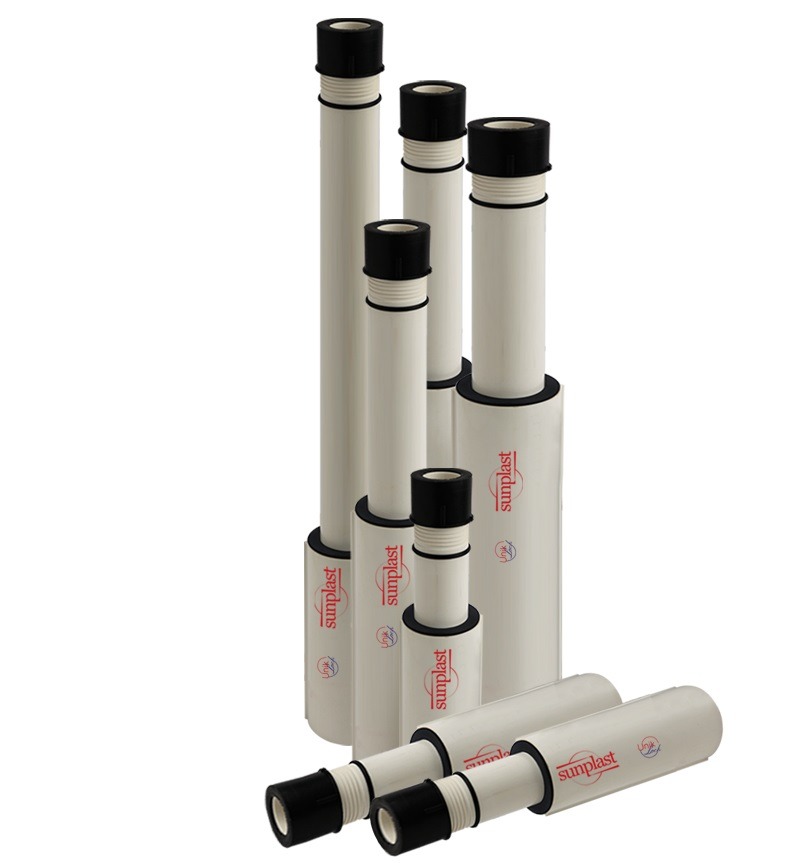
CPVC pipe Supplier

Plumbing Pipe Repair Made Easy: A Comprehensive Guide

In the realm of home maintenance, few issues are as pervasive and potentially damaging as plumbing pipe leaks. From minor drips to major bursts, these pesky problems can wreak havoc on your property if left unchecked. Fortunately, mastering the art of plumbing pipe repair can save you time, money, and a headache-inducing mess.

Are you tired of constantly dealing with leaks and water damage? Do you want to learn effective pipe repair methods that will help you tackle any plumbing problem with confidence? Look no further! In this comprehensive guide, we'll walk you through everything you need to know about fixing plumbing pipes like a seasoned pro. From identifying common issues to mastering DIY pipe repair techniques, we've got you covered. So roll up your sleeves, grab your tools, and let's dive into the world of plumbing pipe repair.
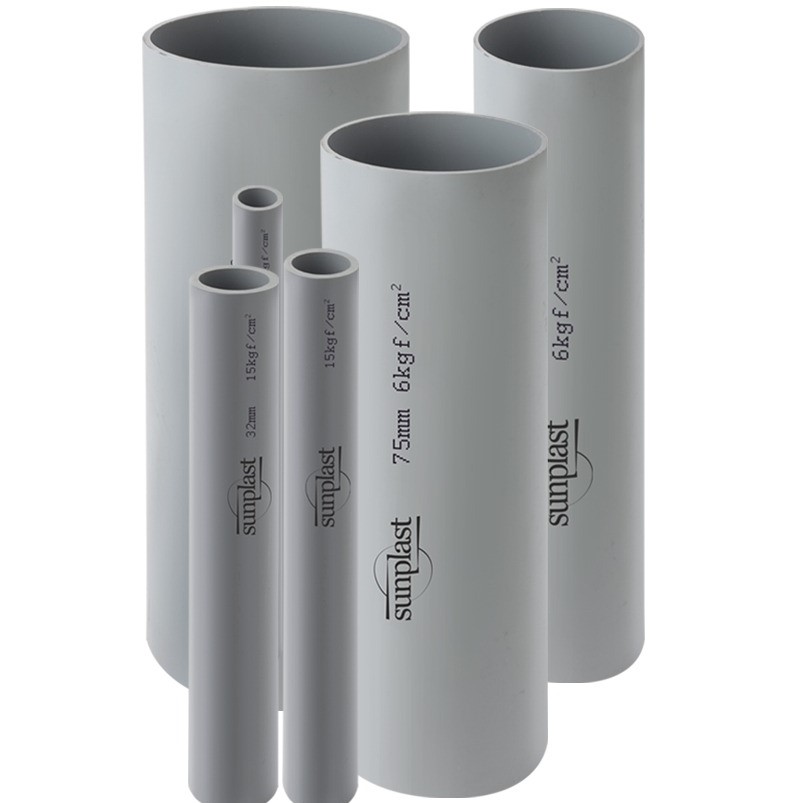
CPVC pipe Manufacturer

Understanding Common Plumbing Pipe Issues

Plumbing systems are complex networks of pipes and fixtures designed to deliver water and remove waste. However, over time, these components can degrade, leading to leaks and other issues. Understanding the common problems that plague plumbing pipes is the first step towards effective repair.

Types of Plumbing Pipe Materials

  • Copper: Known for its durability and resistance to corrosion, copper pipes are commonly used in residential plumbing systems.
  • PVC: Polyvinyl chloride (PVC) pipes are lightweight, easy to install, and resistant to chemical corrosion, making them ideal for drainage and vent systems.
  • PEX: Cross-linked polyethylene (PEX) pipes are flexible, cost-effective, and resistant to freezing, making them popular for both hot and cold water supply lines.
  • Galvanized Steel: Once a common choice for plumbing pipes, galvanized steel is prone to corrosion over time, leading to leaks and reduced water flow.

Common Causes of Pipe Leaks

  • Corrosion: Over time, exposure to water and chemicals can cause pipes to corrode, leading to weak spots and leaks.
  • High Water Pressure: Excessive water pressure can strain pipes, causing them to develop leaks or burst.
  • Freezing Temperatures: When water inside pipes freezes, it expands, putting pressure on the pipe walls and potentially causing them to rupture.
  • Physical Damage: Accidental damage from construction work or shifting soil can compromise pipe integrity, resulting in leaks.

Signs of Plumbing Pipe Damage

  • Visible Leaks: Dripping or pooling water around pipes is a clear indication of a leak.
  • Water Stains: Discoloration or water stains on walls, ceilings, or floors can signal hidden pipe leaks.
  • Low Water Pressure: Reduced water flow from faucets or showerheads may indicate a leak or blockage in the plumbing system.
  • Unpleasant Odors: Sewer odours emanating from drains or pipes could indicate a leak or venting issue.

Pipe Repair Methods

  • Epoxy Putty: Epoxy putty is a versatile repair material that can be used to patch small holes or cracks in plumbing pipes. To use epoxy putty, simply knead the putty until it becomes pliable, then apply it to the damaged area and mould it into shape. Once the putty hardens, it forms a durable and watertight seal, making it ideal for quick fixes.
  • Pipe Repair Clamps: Pipe repair clamps are designed to provide a temporary or permanent fix for leaks in plumbing pipes. These clamps consist of a metal band with a rubber gasket that wraps around the damaged section of the pipe. By tightening the screws on the clamp, the rubber gasket compresses against the pipe, creating a tight seal that stops the leak.
  • Replacement of Damaged Sections: In cases where the damage to the pipe is extensive or irreparable, it may be necessary to replace the affected section. Use a pipe cutter or hacksaw to remove the damaged portion of the pipe, then install a new section using pipe fittings and Teflon tape to create a watertight seal. This method is more involved than quick fixes like epoxy putty or pipe repair clamps but provides a long-term solution for severe leaks.
  • Sleeves and Wraps: Pipe sleeves and wraps are pre-formed materials designed to provide insulation and protection for pipes. These products can be used to repair minor leaks or reinforce weak spots in plumbing pipes. Simply wrap the sleeve or wrap around the damaged area and secure it in place using the provided adhesive or fasteners.
  • Soldering: Soldering is a technique commonly used to join copper pipes together, but it can also be used to repair minor leaks. To solder a leaky pipe, clean the area around the leak and apply flux to promote solder adhesion. Heat the joint with a propane torch and apply solder to create a seamless seal.

These pipe repair methods offer various solutions for addressing leaks and other issues in plumbing pipes. Depending on the severity of the damage and your level of expertise, you can choose the method that best suits your needs.
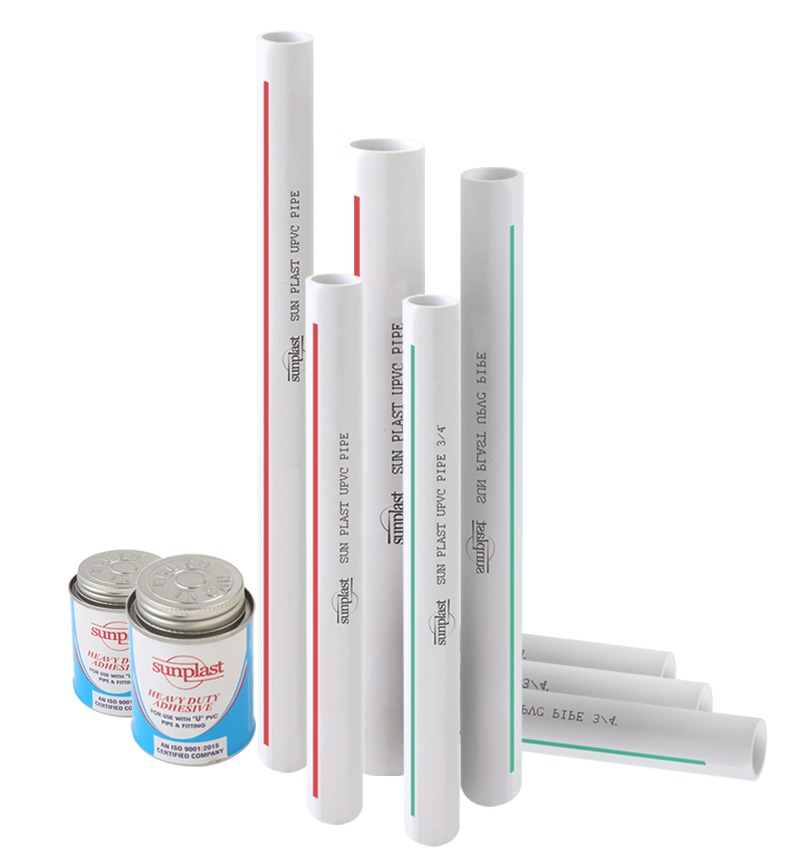
CPVC pipe Manufacturer

Preparing for Pipe Repair

Before diving into the repair process, it's crucial to gather the necessary tools and take safety precautions to ensure a smooth and accident-free experience.

Essential Tools and Materials

  • Adjustable wrench
  • Pipe cutter or hacksaw
  • Pipe repair clamps
  • Epoxy putty
  • Pipe fittings (if replacing sections)
  • Teflon tape
  • Pipe wrench
  • Safety goggles
  • Gloves
  • Pipe threader (if necessary)

Safety Precautions

  • Turn off the water supply: Locate the main shut-off valve and turn off the water to the affected area to prevent further leakage.
  • Drain the pipes: Open faucets and valves to drain any remaining water from the pipes before beginning repairs.
  • Wear protective gear: Safety goggles and gloves will protect you from sharp edges and potential exposure to harmful chemicals.
  • Use caution with tools: Handle tools carefully to avoid injury, and be mindful of nearby electrical wiring and other hazards.

With your tools at the ready and safety precautions in place, you're now prepared to tackle plumbing pipe repair like a pro.

Step-by-Step Guide to Plumbing Pipe Repair

Now that you've gathered your tools and taken safety precautions, it's time to roll up your sleeves and tackle those pesky pipe leaks. Follow this step-by-step guide to effectively repair both minor and major plumbing pipe issues.

1. Locating the Leak

  • Inspect the affected area for signs of moisture or water damage.
  • Listen for the sound of dripping water, which can help pinpoint the location of the leak.
  • Use a flashlight to examine pipes for visible signs of damage, such as corrosion or cracks.

2. Turning Off the Water Supply

  • Locate the main shut-off valve for your plumbing system and turn it clockwise to shut off the water supply.
  • Open faucets and valves to relieve pressure and drain any remaining water from the pipes.

3. Drain the Pipes

  • Open faucets and valves at the lowest point in your plumbing system to drain water from the pipes.
  • Use a bucket or towels to catch any remaining water that may spill out during the repair process.

4. Repairing Minor Leaks

  • For small holes or pinprick leaks, use epoxy putty to create a temporary patch.
  • Clean the area around the leak and apply the epoxy putty according to the manufacturer's instructions.
  • Once the putty has cured, sand it down to smooth out any rough edges.

5. Repairing Major Leaks

  • For larger leaks or damaged sections of pipe, you may need to replace the affected portion.
  • Use a pipe cutter or hacksaw to remove the damaged section of pipe, cutting a few inches on either side of the leak.
  • Measure and cut a new piece of pipe to fit the gap, and attach it using pipe fittings and Teflon tape to create a watertight seal.

6. Reassembling the Pipes

  • Once the repair is complete, reassemble the pipes and fittings in the reverse order of disassembly.
  • Use pipe wrenches to tighten fittings securely, but be careful not to over-tighten and risk damaging the pipes.

7. Testing for Leaks

  • Turn the water supply back on and slowly open faucets and valves to pressurize the system.
  • Check for any signs of leaks around the repaired area, and make any necessary adjustments to ensure a tight seal.

Congratulations! You've successfully repaired your plumbing pipes and prevented further water damage to your home.

Tips for Preventing Future Pipe Leaks

Now that you've mastered the art of plumbing pipe repair, it's essential to take proactive steps to prevent future leaks and maintain the integrity of your plumbing system. Follow these tips to keep your pipes in top condition:

Regular Inspection and Maintenance

Monitoring Water Pressure

Proper Insulation in Cold Weather

Conclusion:

Plumbing pipe repair doesn't have to be a daunting task. With the right tools, knowledge, and a little bit of elbow grease, you can tackle leaks and other plumbing issues like a seasoned pro. By following the step-by-step guide and implementing preventive measures, you'll keep your plumbing system in optimal condition and avoid costly repairs down the line.

Remember, when it comes to plumbing pipe repair, a stitch in time saves nine. So don't wait until a minor leak turns into a major headache—take action today and enjoy peace of mind knowing your pipes are in good hands. Happy repairing!

Related Resources

Gi Pipes Manufacturer Pvc Pipe Manufacturer Steel Pipe Manufacturer HDPE Pipe Manufacturer
Polyethylene Pipe Manufacturer PVC-U Pipe Manufacturer Galvanized Pipe Manufacturer CPVC Pipe Manufacturer

Frequently Asked Questions (FAQs)


Q1: How can I tell if I have a plumbing pipe leak?
A: Look for signs such as dripping water, water stains on walls or ceilings, reduced water pressure, or unpleasant odours.


Q2: Can I repair a leaking pipe myself?
A: Yes, many minor leaks can be repaired using simple DIY methods such as patching with epoxy putty or using pipe repair clamps.


Q3: What should I do if I can't locate the source of a leak?
A: If you're unable to find the leak, consider calling a professional plumber who can use specialized tools to pinpoint the problem.


Q4: How long does it take to repair a leaking pipe?
A: The time required for repairs depends on the severity of the leak and the complexity of the repair. Minor leaks can often be fixed in a matter of hours, while major repairs may take longer.


Q5: Are there ways to prevent pipe leaks in the future?
A: Yes, you can prevent future leaks by scheduling regular inspections, monitoring water pressure, insulating exposed pipes, and addressing any issues promptly.

Send Enquiry

Send Enquiry

Talk to us today about your requirements

WhatsApp