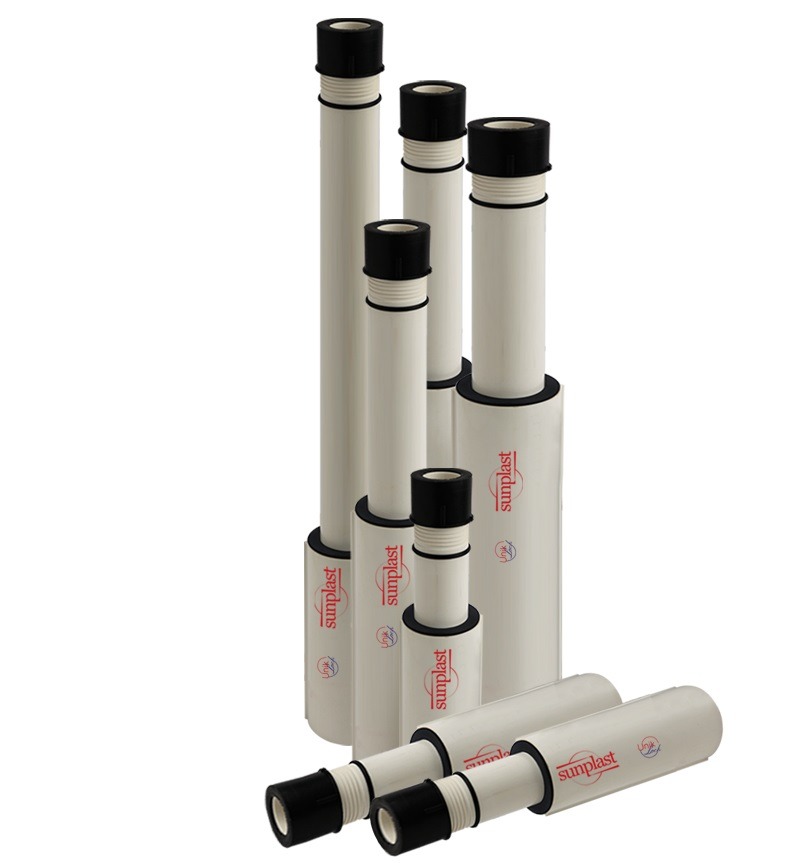
CPVC pipe Supplier

Is Galvanized Pipe Safe for Drinking Water? Comprehensive Analysis and Recommendations

Ensuring the safety of our drinking water is crucial for maintaining good health. This article examines the safety of galvanized pipe for drinking and explores whether drinking water from galvanized pipes is safe. Galvanized pipes, once popular for their durability and cost-effectiveness, have raised health concerns due to potential lead contamination and other risks. This article will help you understand the implications of using galvanized pipes for drinking water and provide recommendations for safer alternatives.

In the following sections, we will discuss the benefits and drawbacks of galvanized pipes, how to identify them in your home, and what safer options are available. We will also outline practical steps you can take to mitigate any risks if you currently use galvanized pipes.

Understanding Galvanized Pipes

What Are Galvanized Pipes?

Galvanized pipes are steel pipes coated with a layer of zinc to prevent rust and corrosion. This coating helps extend the pipe's lifespan by protecting it from the elements. Historically, galvanized pipes were widely used in residential and commercial plumbing, especially in homes built before the 1960s. The zinc coating was intended to provide a barrier against corrosion and rust, thereby prolonging the pipe's usability.

Benefits of Galvanized Pipes

  • Cost-Effective: Galvanized pipes were less expensive than copper, making them a popular choice in large construction projects. This cost efficiency made them accessible for many homeowners and builders.
  • Durability: Compared to plastic pipes, galvanized pipes offer superior strength and durability. They were capable of withstanding higher water pressures and were less likely to burst.
  • Wider Diameter: The pipes' wider diameter allowed for greater water flow compared to copper pipes, which could be beneficial in high-demand water systems.

Risks Associated with Galvanized Pipes

Health Risks of Using Galvanized Pipes

Lead Contamination:
  • Over time, the zinc coating on galvanized pipes can erode, leading to the leaching of lead into the drinking water. This is particularly concerning for drinking water from galvanized pipes.
  • Health Concerns with Galvanized Water Pipes: Lead exposure can cause severe health issues, especially in children, such as brain damage, developmental delays, and behavioral problems. Lead is a potent neurotoxin, and even low levels of exposure can have significant adverse effects on health.
Other Contaminants:
  • Besides lead, other metals like zinc and cadmium can contaminate the water. These metals can leach into the water as the pipes corrode, posing additional health risks.
  • Zinc, while essential in small amounts, can cause gastrointestinal issues in higher concentrations. Cadmium is particularly concerning due to its toxic nature and potential to cause kidney damage and other health problems.

Practical Problems with Galvanized Pipes

Rust and Corrosion

  • Internal Rust: Galvanized pipes can rust from the inside out, leading to reduced water flow and pressure. Rust can accumulate inside the pipes, causing blockages and reducing the efficiency of the water delivery system.
  • Water Quality Issues: Corroded pipes can release rust particles into the water, affecting its taste and color. Water from corroded galvanized pipes often appears brownish or reddish, which can be unappealing and indicative of underlying issues.

Installation and Maintenance Issues

  • Labor-Intensive Installation: Installing and maintaining galvanized pipes is labor-intensive and requires specialized tools. Cutting and threading these pipes require specific equipment and expertise.
  • Modern Alternatives: Modern alternatives are easier to install and maintain, reducing long-term costs and the likelihood of problems.

Identifying Galvanized Pipes in Your Home

Visual Inspection

  • Look for pipes with a dull, grayish-silver appearance. Older pipes may show signs of rust or discoloration. Galvanized pipes tend to have a metallic finish that can dull over time.
  • Use a magnet: galvanized pipes will attract a magnet due to their steel content. This simple test can help differentiate them from copper or plastic pipes.

Professional Testing

  • If you suspect your pipes are galvanized, consider hiring a professional to test your water for lead and other contaminants. Professional testing can provide accurate results and recommendations for addressing any issues found.

Alternatives to Galvanized Pipes

PEX Pipes

  • Flexible, easy to install, and resistant to corrosion. PEX pipes are increasingly popular due to their versatility and reliability.
  • Long lifespan and lower cost compared to metal pipes. PEX can be used for both hot and cold water lines, making it a versatile option for modern plumbing systems.

Copper Pipes

  • Known for their durability and resistance to bacteria. Copper pipes have been used for decades and are trusted for their longevity and safety.
  • More expensive but reliable for long-term use. Copper pipes are an investment in the safety and durability of your plumbing system.

Stainless Steel Pipes

  • Highly durable and resistant to both rust and corrosion. Stainless steel pipes are ideal for areas with high water pressure and are known for their longevity.
  • They are less common in residential plumbing but offer a reliable alternative where durability is a priority.

PVC and CPVC Pipes

  • Affordable and easy to install. PVC and CPVC pipes are lightweight and resistant to corrosion, making them suitable for various plumbing applications.
  • Suitable for both hot and cold water lines. CPVC can handle higher temperatures than standard PVC, making it a versatile choice for residential plumbing.

Mitigating Risks if You Have Galvanized Pipes

Short-Term Solutions

Water Filters and Treatments

  • Install water filters that can remove lead and other heavy metals. Look for filters certified to remove contaminants commonly found in galvanized pipe systems.
  • Regularly replace filters to ensure effectiveness. Maintaining your filtration system is crucial for ensuring consistent water quality.

Boiling Water

  • Boiling can reduce some contaminants but is not a long-term solution for lead. While boiling can kill bacteria, it does not remove heavy metals or chemical contaminants.

Long-Term Solutions

Pipe Replacement

  • The most effective way to eliminate risks is to replace galvanized pipes with safer alternatives. This may involve significant upfront costs but offers peace of mind and improved water quality.
  • Consult with a plumber to plan and execute the replacement. Professional advice can help ensure the job is done correctly and efficiently.

Regular Maintenance and Testing

  • Schedule periodic water quality tests to monitor for contaminants. Regular testing can help catch potential issues before they become serious problems.
  • Maintain plumbing systems to prevent deterioration and leaks. Regular inspections and maintenance can extend the life of your plumbing and ensure water safety.

Conclusion:

Ensuring the safety of your drinking water is essential for your health and well-being. Galvanized pipes, while once common, pose significant risks due to potential lead contamination and other health hazards. By understanding these risks and exploring safer alternatives, you can make informed decisions to protect your water supply. If you suspect your home has galvanized pipes, consider testing your water and consulting with a professional plumber. Replacing old pipes with modern, safer materials is the best long-term solution to ensure safe drinking water.

Frequently Asked Questions (FAQs)


Q1: Is galvanized pipe safe for drinking water?
Galvanized pipes can pose health risks due to potential lead contamination and rust. It is generally not recommended for drinking water.


Q2: What are the health concerns with galvanized water pipes?
The primary health concern is lead contamination, which can cause serious health issues, particularly in children. Other contaminants like zinc and cadmium can also pose risks.


Q3: How can I identify if my home has galvanized pipes?
Look for pipes with a grayish-silver appearance and test with a magnet (galvanized pipes will attract a magnet). For a definitive answer, consider professional water testing.


Q4: What are the best alternatives to galvanized pipes?
Safer alternatives include PEX, copper, stainless steel, and PVC/CPVC pipes. These materials are more resistant to corrosion and do not pose the same health risks.


Q5: What should I do if I have galvanized pipes in my home?
Consider replacing them with safer alternatives. In the short term, use water filters certified to remove heavy metals and regularly test your water for contaminants.

Send Enquiry

Send Enquiry

Talk to us today about your requirements

WhatsApp