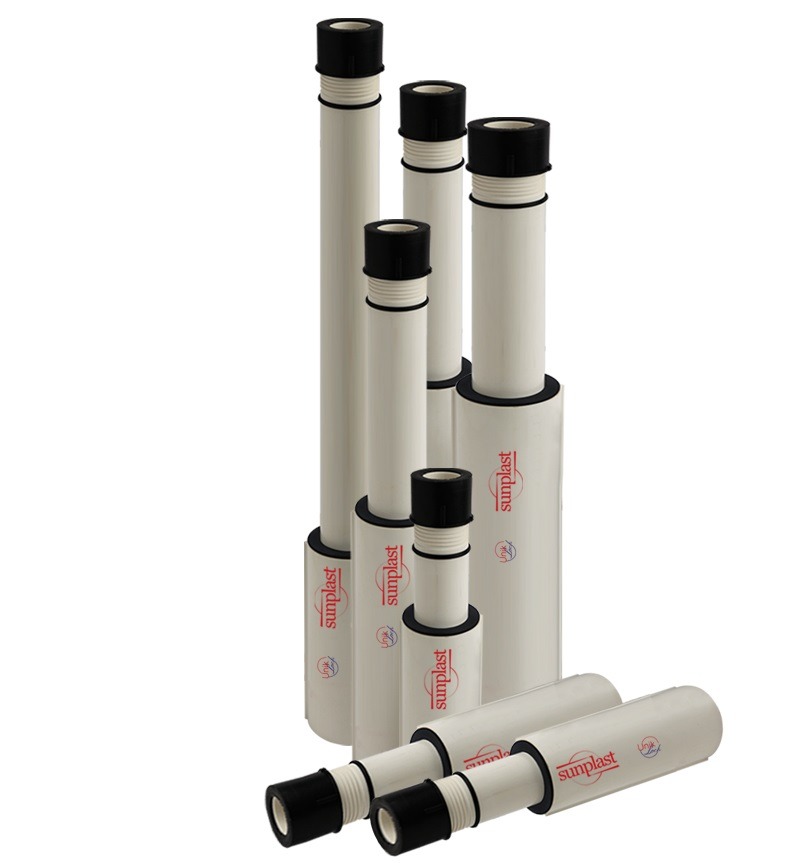
CPVC pipe Supplier

How to Fix a Pipe Leak: Step-by-Step Guide for DIY Enthusiasts

Pipe leaks are a common issue that can lead to significant water damage if not addressed promptly. Whether you're a seasoned DIY enthusiast or just starting, knowing how to fix a pipe leak can save you time and money. This guide will walk you through the process of repairing pipe leaks, offering both temporary and permanent solutions. With the right tools and techniques, you can tackle DIY pipe leak fixes effectively and prevent future leaks from causing further problems.

Addressing a pipe leak quickly is crucial to avoid extensive water damage to your home. In this article, we'll cover the causes of pipe leaks, necessary tools and materials, and detailed steps for both temporary and permanent patching pipe leaks. Plus, we'll highlight when it's best to call a professional for help. By following this guide, you'll be equipped with the knowledge to handle most pipe leaks yourself, ensuring your plumbing system remains in top condition.

Understanding Pipe Leaks

What Causes Pipe Leaks?

Corrosion: Over time, metal pipes can corrode due to water quality and environmental factors, leading to leaks. Corrosion is often caused by acidic water, which gradually wears away the metal, creating weak spots and holes.

High Water Pressure: Excessive water pressure can strain pipes and cause them to burst or develop leaks. This can happen if the pressure regulator fails or if the pressure is set too high, leading to stress on the pipes.

Physical Damage: Accidental impacts or improper installation can damage pipes, resulting in leaks. This includes nailing into walls without knowing where pipes are or dropping heavy objects on exposed pipes.

Aging Pipes: Older pipes may weaken and crack, especially if made from outdated materials like galvanized steel, which is prone to rusting and failing over time.

Tools and Materials Needed

To successfully fix a pipe leak, you will need the following tools and materials:

  • Pipe cutter or hacksaw: For cutting out the damaged section of the pipe.
  • Emery cloth: For polishing the pipes to ensure a clean surface for soldering.
  • Solder flux: A substance that helps the solder adhere to the pipe.
  • Fitting brush: For cleaning the inside of the fittings.
  • Torch: For soldering the pipes together.
  • Replacement piping: To replace the damaged section of the pipe.
  • Epoxy: For temporary fixes and sealing small leaks.
  • Rubber or garden hose: Used in conjunction with hose clamps for temporary repairs.
  • Metal hose clamps: To secure the rubber or hose around the leak.
  • Waterproof tape: For temporary sealing of leaks.
  • Pencil: An old trick for temporarily plugging small holes.

Temporary Fixes for Pipe Leaks

Stopping the Leak Immediately

Turning Off the Water Supply
  • Locate the main water supply valve: This is usually found where the main water line enters your home. Turn it off to stop the flow of water.
  • Turn off localized valves if possible: If the leak is under a sink or in a specific area, you can turn off the supply valves in that area instead of the entire house.
Draining the Pipe
  • Open connected faucets: To release any remaining water in the pipes, open the faucets connected to the leaking pipe.
  • Use an air compressor: If available, use an air compressor to blow out any residual water from the pipe. This ensures the pipe is dry and ready for repair.

Quick Temporary Fixes

Using a Pencil and Epoxy
  • Plugging the hole: Insert the tip of a sharp pencil into the leak hole and break it off inside the pipe. This plugs the hole temporarily.
  • Applying epoxy: Spread epoxy over the leak area using a putty knife. This will seal the hole and prevent further leaking until a permanent fix can be made.
Rubber and Hose Clamps Method
  • Cutting the rubber: Cut a piece of rubber or garden hose about 2 inches longer than the leak.
  • Wrapping the leak: Wrap the rubber around the leaking area.
  • Securing with hose clamps: Use metal hose clamps to secure the rubber in place. Tighten the clamps to hold the rubber firmly over the leak, ensuring it stays in place for at least an hour.
Applying Waterproof Tape
  • Drying the area: Make sure the leaking area is completely dry before applying the tape.
  • Wrapping the tape: Wrap several layers of waterproof tape around the leak. This creates a temporary seal that can hold until a permanent repair is made.

Permanent Fixes for Pipe Leaks

Preparing for a Permanent Fix

  • Gather necessary materials: Ensure you have all the tools and materials listed earlier.
  • Dry and clean the pipe: Ensure the pipe is dry and clean before starting the repair. This will help the new pipe section adhere properly.

Step-by-Step Guide to Fixing the Leak Permanently

Cutting Out the Damaged Section

  • Mark the damaged area: Identify and mark the section of the pipe that needs to be removed.
  • Cut the pipe: Use a hacksaw or pipe cutter to remove the damaged section. Make sure the cut is straight and clean.

Soldering the New Pipe

  • Polishing the pipes: Use an emery cloth to polish the inside and outside of both the existing and replacement pipes. This ensures a smooth, clean surface for soldering.
  • Applying soldering flux: Lightly coat both sides of the piping with soldering flux to help the solder adhere.
  • Soldering the pipe: Place the new pipe section into position and use a torch to heat the pipe and apply the solder. Allow the solder to melt and fill the joint completely.
  • Cooling the pipe: Let the soldered joint cool completely before turning the water back on.

Testing the Repair

  • Turn the water back on: Slowly turn the water back on and check for any further leaks.
  • Inspect the repair: Ensure that the soldered joint is secure and there are no signs of leaking.

When to Call a Professional

Identifying Situations That Require Professional Help

  • Major leaks: If the leak is severe or involves multiple areas, it’s best to call a professional.
  • Hard-to-reach areas: Leaks in difficult-to-access areas may require specialized tools and expertise.
  • Uncertainty: If you’re unsure about your ability to perform the repair safely and effectively, it’s wise to seek professional help.

Benefits of Hiring a Professional

  • Expertise and experience: Professional plumbers have the knowledge and experience to handle a wide range of plumbing issues.
  • Proper tools and materials: They have access to specialized tools and high-quality materials for long-lasting repairs.
  • Reliable repairs: Professionals can provide permanent solutions, ensuring your plumbing system remains in good condition.

Preventative Measures

  • Regular maintenance: Inspect your plumbing system regularly for signs of wear and tear. Replace old or damaged pipes before they start leaking.
  • Use quality materials: Invest in high-quality materials for all plumbing repairs and installations to ensure durability.
  • Monitor water pressure: Install a pressure regulator to maintain optimal water pressure and prevent stress on your pipes.

Conclusion:

In this guide, we've covered the essentials of how to fix a pipe leak, from understanding the causes to performing both temporary and permanent repairs. Remember, while DIY pipe leak fixes can save you money, knowing when to call a professional is equally important to ensure your plumbing system remains in top condition. By taking proactive measures and following our detailed steps, you can effectively manage and prevent future leaks. , and durability.

Frequently Asked Questions (FAQs) on Fixing Pipe Leaks


Q1: What is the most common cause of pipe leaks?
The most common cause of pipe leaks is corrosion, which occurs over time due to water quality and environmental factors.


Q2: Can I fix a pipe leak myself, or do I need to hire a professional?
Small leaks can often be fixed with DIY methods, but for major leaks or if you're unsure, it's best to hire a professional plumber.


Q3: What temporary fixes can I use to stop a pipe leak?
Temporary fixes include using a pencil and epoxy, wrapping the pipe with rubber and hose clamps, or applying waterproof tape.


Q4: What tools do I need for a permanent pipe repair?
You'll need a pipe cutter or hacksaw, emery cloth, solder flux, a fitting brush, a torch, and replacement piping for a permanent repair.


Q5: How can I prevent future pipe leaks?
Regular maintenance, using high-quality materials, and monitoring water pressure are key steps to preventing future pipe leaks.

Send Enquiry

Send Enquiry

Talk to us today about your requirements

WhatsApp