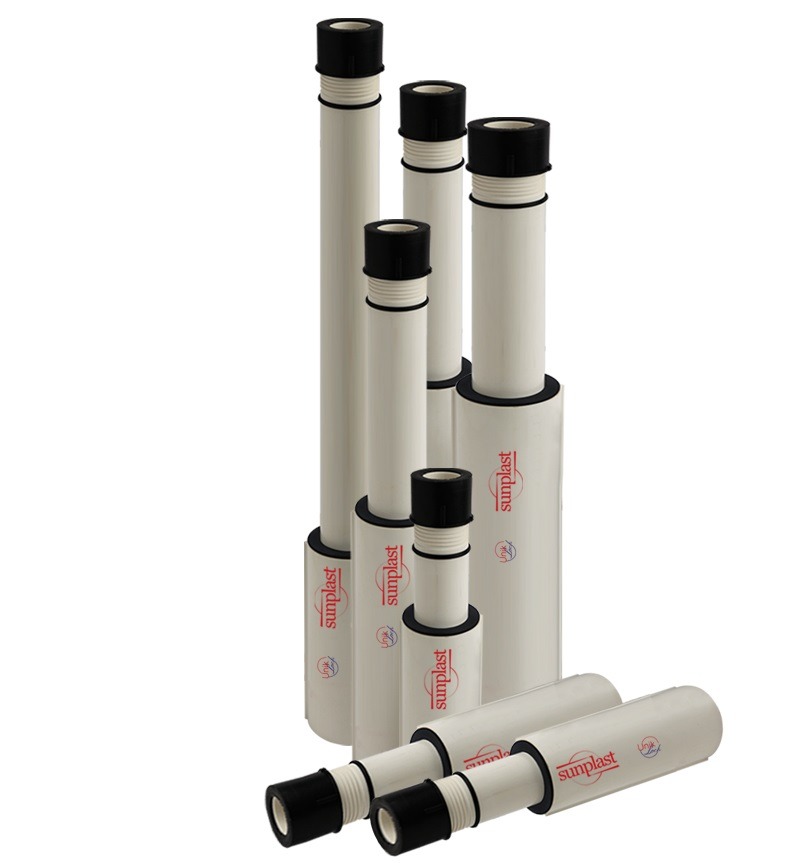
CPVC pipe Supplier

Ultimate Guide: How to Fix a Leaking Pipe Joint Like a Pro

A leaking pipe joint can wreak havoc on your home, causing water damage, mould growth, and even structural issues if left unchecked. If you're dealing with this pesky problem, fear not! In this comprehensive guide, we'll walk you through everything you need to know about repairing leaky pipe joints with confidence and ease. From understanding the root causes of leaks to implementing effective pipe joint sealing techniques, consider this your go-to resource for tackling pipe joint leaks like a pro.

Leaking pipe joints are a common household issue that can lead to significant headaches if not addressed promptly. Whether you're a seasoned DIY enthusiast or a novice homeowner, learning how to fix pipe joint leaks is a valuable skill that can save you time, money, and frustration in the long run. So, grab your tools and let's dive into the step-by-step process of restoring your plumbing system to its leak-free glory.

Understanding Leaking Pipe Joints

Leaking pipe joints can occur for various reasons, including corrosion, improper installation, and wear and tear over time. Understanding the root cause of the leak is essential for implementing effective repairs. Common signs of a leaking pipe joint include water stains, dampness, and dripping water. It's crucial to address these issues promptly to prevent further damage to your home and plumbing system.

Preparation and Safety Measures

Before diving into the repair process, it's crucial to gather all the necessary tools and materials. Additionally, taking proper safety precautions will ensure a smooth and accident-free repair experience.

Gather Tools and Materials

  • Pipe wrench: Essential for loosening and tightening pipe fittings.
  • Plumber's tape: Helps create a watertight seal around pipe threads.
  • Sealant or epoxy compound: Used to repair leaks and seal pipe joints.
  • Safety gear: Wear gloves and eye protection to protect against sharp edges and chemical exposure.
  • Towels or buckets: Useful for containing water and minimizing mess during repairs.

Turn Off the Water Supply

  • Locate the main water shut-off valve for your home.
  • Turn the valve clockwise to shut off the water supply to the affected area.
  • Open nearby faucets to relieve pressure and drain any remaining water from the pipes.

Drain the Pipes

  • Open a drain valve or faucet at the lowest point in your plumbing system.
  • Allow the water to drain out completely, using towels or buckets to catch any excess water.

Clean and Prepare the Work Area

  • Use a pipe brush or sandpaper to clean the area around the leaking pipe joint.
  • Remove any debris, rust, or corrosion that may inhibit the effectiveness of the repair.

Take Safety Precautions

  • Wear appropriate safety gear, including gloves and eye protection, to prevent injury.
  • Avoid using tools or materials that are damaged or defective.
  • Work in a well-ventilated area and be mindful of any chemical fumes from sealants or epoxy compounds.

By taking these preparation and safety measures, you'll be well-equipped to tackle the repair of your leaking pipe joint with confidence and peace of mind. Remember, safety should always be your top priority when working on plumbing repairs.

Step-by-Step Guide to Fixing a Leaking Pipe Joint

A. Assessing the Leak

  • Carefully examine the leaking pipe joint to determine the location and severity of the leak.
  • Look for visible signs of corrosion, cracks, or loose fittings that may be contributing to the problem.
  • Note the type of material used for the pipes and fittings, as this will influence the repair method.

B. Turning Off the Water Supply

  • Locate the main water shut-off valve for your home.
  • Turn the valve clockwise to shut off the water supply to the affected area.
  • Open nearby faucets to drain any remaining water from the pipes and relieve pressure.

C. Draining the Pipes

  • Open a drain valve or faucet at the lowest point in your plumbing system.
  • Allow the water to drain out completely, using towels or buckets to catch any excess water and prevent messes.

D. Cleaning and Preparing the Area

  • Use a pipe brush, sandpaper, or wire brush to clean the area around the leaking pipe joint.
  • Remove any debris, rust, or corrosion that may inhibit the effectiveness of the repair.
  • Ensure that the surface is dry and free of grease or oil before proceeding with the repair.

E. Choosing the Right Repair Method

  • Depending on the type and severity of the leak, choose the appropriate repair method.
  • Common options include using plumber's tape, pipe sealant, epoxy compounds, or replacing damaged fittings.
  • Consider the material of the pipes and fittings when selecting the repair method to ensure compatibility and effectiveness.

F. Repairing the Joint

  • Follow the manufacturer's instructions for the chosen repair method.
  • Apply the plumber's tape or pipe sealant to the threads of the pipe fittings to create a tight seal.
  • For larger leaks or damaged fittings, use the epoxy compound to fill cracks or holes and create a durable seal.
  • Tighten the pipe fittings securely using a pipe wrench to ensure a leak-free connection.

G. Testing the Repair

  • Turn the water supply back on and check for any signs of leaks.
  • Inspect the repaired joint carefully for dripping water or moisture.
  • If necessary, make adjustments to the repair to achieve a watertight seal.

By following these step-by-step instructions, you can effectively repair a leaking pipe joint and prevent further damage to your plumbing system. Remember to take your time and ensure that each step is completed thoroughly for optimal results.

Additional Tips and Tricks

Regular Maintenance

  • Schedule regular inspections: Regularly inspect your plumbing system to detect any potential leaks or issues early on.
  • Check for signs of corrosion: Look for rust or damage to pipe joints and fittings.
  • Address minor leaks promptly: Fix any minor leaks or issues to prevent them from worsening over time.

Preventive Measures

  • Install pipe insulation: Protect pipes against freezing temperatures and reduce the risk of pipe joint leaks.
  • Use a water softener: Minimize the buildup of mineral deposits that can corrode pipes and fittings if you have hard water.
  • Avoid harsh chemical drain cleaners: These can damage pipes and lead to leaks over time.

Monitor Water Pressure

  • Keep an eye on water pressure: Monitor your home's water pressure and address any fluctuations or abnormalities promptly.
  • Prevent high pressure: High water pressure can strain pipe joints and fittings, increasing the risk of leaks and damage.

Know When to Call a Professional

  • Seek professional help when needed: While many pipe joint leaks can be repaired DIY, some issues may require the expertise of a professional plumber.
  • Consult a licensed plumber: If you're unsure about tackling a repair yourself or if the leak is extensive, don't hesitate to seek professional help. A licensed plumber can assess the situation and provide recommendations for the best course of action.

Stay Informed

  • Educate yourself: Learn about your home's plumbing system and how to maintain it properly.
  • Keep updated: Stay abreast of any changes or updates in plumbing technology and best practices for leak prevention and repair.

Conclusion:

In conclusion, repairing leaky pipe joints doesn't have to be a daunting task. By following the step-by-step guide outlined in this article and taking proper safety precautions, you can effectively fix pipe joint leaks and prevent further damage to your home. Remember, timely intervention is key to maintaining a healthy plumbing system and ensuring the longevity of your pipes. So, roll up your sleeves and get ready to tackle those pesky leaks with confidence!

Frequently Asked Questions (FAQs)


Q1: What causes pipe joints to leak?
A: Pipe joint leaks can be caused by factors such as corrosion, improper installation, wear and tear, and high water pressure.


Q2: Can I repair a leaking pipe joint myself?
A: Yes, many pipe joint leaks can be repaired DIY using simple tools and materials. However, if you're unsure or the leak is extensive, it's best to call a professional plumber.


Q3: How do I know if my pipe joint is leaking?
A: Common signs of a leaking pipe joint include water stains, dampness, dripping water, and mould growth around the affected area.


Q4: What tools do I need to repair a leaking pipe joint?
A: Basic tools for repairing a leaking pipe joint include a pipe wrench, plumber's tape, sealant or epoxy compound, and safety gear such as gloves and eye protection.


Q5: How long does it take to fix a leaking pipe joint?
A: The time it takes to repair a leaking pipe joint depends on factors such as the severity of the leak, the chosen repair method, and your level of experience. In general, simple repairs can be completed in a matter of minutes to hours.

Send Enquiry

Send Enquiry

Talk to us today about your requirements

WhatsApp