

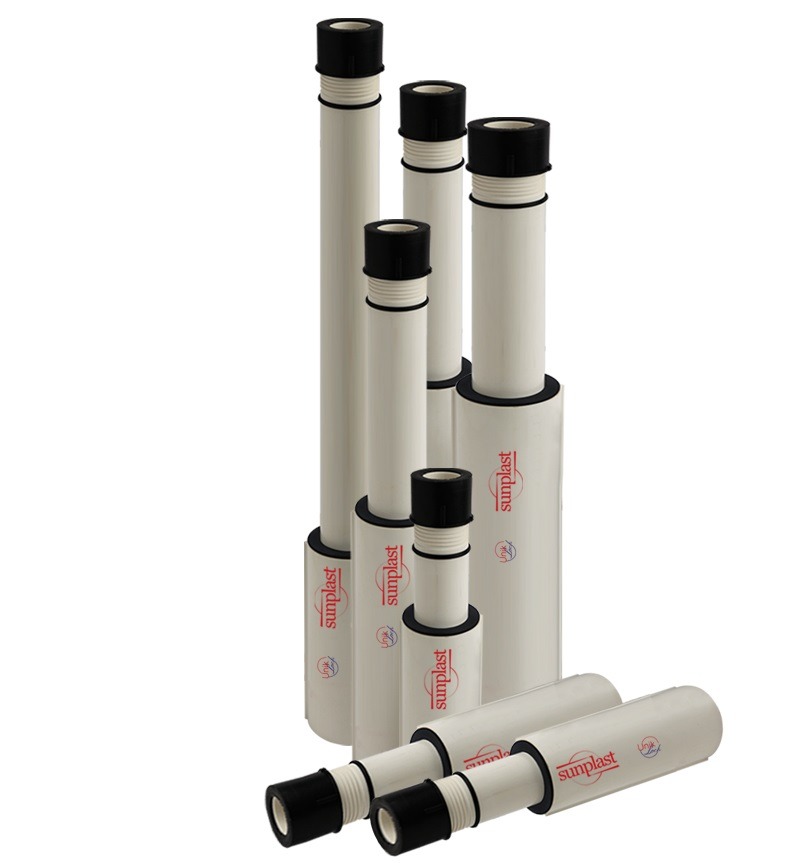
PVC pipes are a cornerstone of modern plumbing and construction, valued for their durability, affordability, and versatility. A common question that arises among builders, engineers, and DIY enthusiasts is, how strong is PVC pipe? In this article, we’ll delve into the different aspects of PVC pipe strength, including tensile strength, burst pressure, and collapse pressure. By understanding these key measurements, you can make informed decisions for your projects, ensuring that you choose the right type and size of PVC pipe to meet your needs.
PVC pipe strength varies significantly based on several factors, including the type and size of the pipe. Knowing the tensile strength of PVC pipes, their burst pressure, and overall load capacity helps in selecting the right pipe for specific applications. This comprehensive guide will provide an in-depth overview of these strength metrics, ensuring you have the information needed to choose the best PVC pipe for your requirements.
PVC Pipe Strength refers to the ability of the pipe to withstand various types of stress without failing. The strength of PVC pipes can be measured in several ways, but the most common methods are:
Each of these strength measurements provides valuable insights into the performance and reliability of PVC pipes in different conditions. Let's explore these in detail.
Tensile Strength
Tensile strength is defined as the maximum stress a material can withstand while being stretched or pulled before breaking. For PVC pipes, tensile strength can be measured by applying a weight until the pipe bends or cracks. This measurement is crucial for understanding how much load a PVC pipe can handle without deforming.
| Pipe Size (inches) | Tensile Strength (psi) |
|---|---|
| 1 | 6,000 |
| 2 | 5,000 |
| 4 | 4,500 |
| 8 | 4,000 |
Burst Pressure
Burst pressure is the amount of internal pressure a pipe can handle before it bursts. This is a critical measurement for applications where the pipe will be subjected to high internal pressures, such as in water supply systems or industrial processes.
| Pipe Size (inches) | Burst Pressure (psi) |
|---|---|
| 1 | 850 |
| 2 | 750 |
| 4 | 500 |
| 8 | 280 |
Collapse Pressure
Collapse pressure, also known as crush strength, is the external pressure a pipe can withstand before it collapses. This measurement is particularly important for pipes used in underground applications, where they are subject to soil weight and other external forces.
| Pipe Size (inches) | Collapse Pressure (psi) |
|---|---|
| 1 | 370 |
| 2 | 320 |
| 4 | 290 |
| 8 | 150 |
Strength Differences: PVC pipes generally have lower strength compared to metal pipes. However, they are often more than adequate for many applications where extreme strength is not a critical factor.
Understanding the strength of PVC pipes is crucial for making informed decisions in various applications. By considering tensile strength, burst pressure, and collapse pressure, you can select the right PVC pipe that meets your specific needs. While PVC pipes may not match the strength of metal pipes, their cost-effectiveness, ease of installation, and resistance to corrosion make them an excellent choice for many projects. When choosing PVC pipes, always factor in the specific demands of your application to ensure long-term performance and reliability. With this comprehensive guide, you are now better equipped to select the best PVC pipe for your project, ensuring safety, efficiency, and durability.
| Gi Pipes Manufacturer | Pvc Pipe Manufacturer | Steel Pipe Manufacturer | HDPE Pipe Manufacturer |
| Polyethylene Pipe Manufacturer | PVC-U Pipe Manufacturer | Galvanized Pipe Manufacturer | CPVC Pipe Manufacturer |
1. What factors determine the strength of PVC pipes?
The strength of PVC pipes is determined by their tensile strength, burst pressure, and collapse pressure, all of which depend on the pipe's size and schedule (e.g., Schedule 40, Schedule 80).
2. How does the size of a PVC pipe affect its strength?
Generally, as the size of the PVC pipe increases, its tensile strength decreases, but its ability to handle burst and collapse pressures also changes, often decreasing as well.
3. Can PVC pipes handle high internal pressures?
Yes, smaller PVC pipes can handle high internal pressures (burst pressure). However, larger pipes have lower burst pressure ratings, making them less suitable for high-pressure applications.
4. Are PVC pipes suitable for underground installations?
Yes, PVC pipes are suitable for underground installations. Their collapse pressure ratings indicate their ability to withstand external pressures, making them ideal for subterranean applications like drainage and sewer systems.
5. How do PVC pipes compare to metal pipes in terms of strength?
PVC pipes generally have lower strength compared to metal pipes but offer significant advantages such as lower cost, corrosion resistance, and ease of installation. They are suitable for many applications where extreme strength is not required.
