

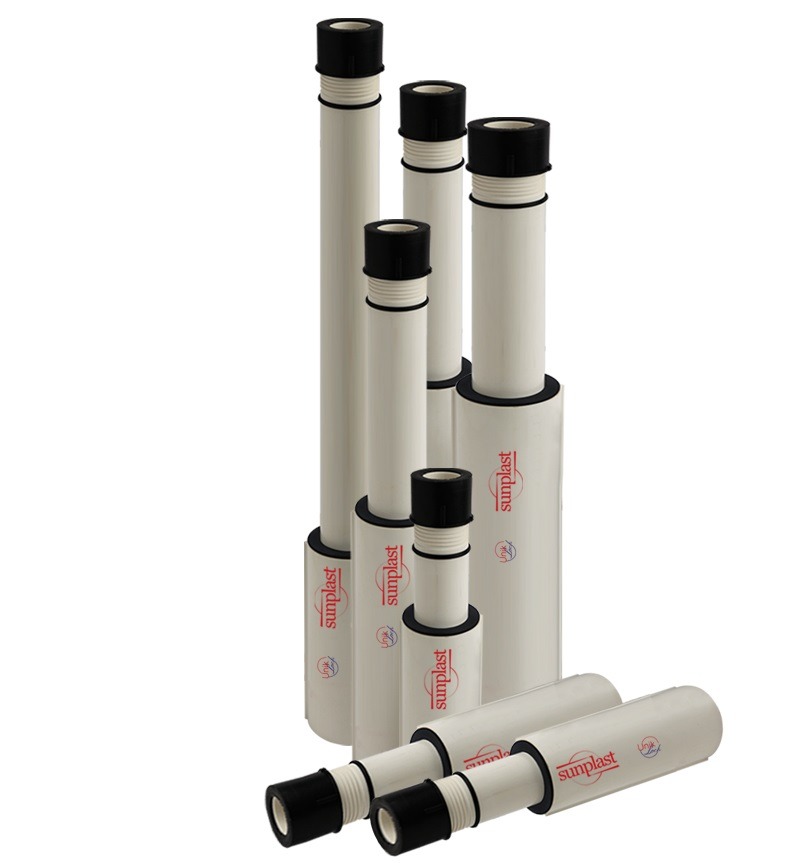
PVC pipes are versatile and widely used in various applications, from plumbing and irrigation to construction and DIY projects. Understanding the PVC pipe weight capacity is crucial for ensuring safety and durability in any project. Whether you're planning a simple home plumbing repair or a large-scale construction project, knowing the load-bearing capacity of PVC pipes can help you avoid costly mistakes and potential hazards.
In this comprehensive guide, we'll delve into the intricacies of PVC pipe weight capacity, exploring the factors that influence it, differences between pipe grades, methods for determining weight capacity, practical applications, and essential tips for safe usage. By the end of this article, you'll have a clear understanding of how much weight PVC pipes can hold and how to ensure their reliable performance in various scenarios.
PVC pipe weight capacity refers to the maximum amount of weight or load that a PVC pipe can safely support without failing or deforming. This capacity is influenced by several factors, including the diameter, thickness, material grade, and the conditions under which the pipe is installed and used.
Calculating the weight capacity of PVC pipes requires considering various factors, including pipe dimensions, material properties, and environmental conditions. While there are mathematical formulas and engineering principles that can provide estimates, consulting manufacturer specifications and industry standards is crucial for accurate assessments.
Manufacturers provide detailed specifications for their PVC pipes, including information on maximum weight capacity based on pipe dimensions and material grade. These specifications should be consulted before designing or installing PVC pipe systems.
Engineering guidelines, such as those provided by professional organizations like ASTM International, offer standardized methods for evaluating the structural integrity and weight capacity of PVC pipes. Engineers and designers often use these guidelines to ensure compliance with safety standards.
Engineering formulas can be used to estimate the weight capacity of PVC pipes based on factors such as pipe diameter, wall thickness, and material properties. However, these formulas may only provide approximate values and should be used in conjunction with other methods for accurate assessments.
Understanding PVC pipe weight capacity is essential for various applications across different industries. Here are some practical examples of how PVC pipes are used and their associated weight requirements:
PVC pipes are commonly used in residential and commercial plumbing systems to transport water and sewage. The weight capacity of these pipes ensures the structural integrity of the plumbing network and prevents leaks or failures.
In agriculture and landscaping, PVC pipes are used to distribute water for irrigation purposes. The weight capacity of these pipes determines the maximum pressure they can withstand without bursting or collapsing, ensuring efficient water distribution.
PVC pipes are used in construction projects for applications such as drainage, ventilation, and structural support. Understanding the weight capacity of PVC pipes is crucial for designing and implementing these systems safely and effectively.
To maximize the weight capacity of PVC pipes, it's essential to provide adequate support and reinforcement, especially for horizontal installations or areas with heavy loads. Using proper hangers, straps, and supports can distribute the weight evenly and prevent sagging or deformation.
PVC pipes can be sensitive to temperature fluctuations and pressure changes, which can affect their weight capacity and structural integrity. It's important to select PVC pipes with appropriate temperature and pressure ratings for the intended application and to avoid exposing them to extreme conditions.
Exposure to certain chemicals or corrosive substances can weaken PVC pipes and reduce their weight capacity over time. Be mindful of the environment in which the pipes will be installed and choose compatible materials that can withstand exposure to chemicals or pollutants.
Periodic inspection and maintenance of PVC pipe systems are essential for identifying potential issues and ensuring continued performance. Inspect pipes for signs of damage, leaks, or degradation, and address any issues promptly to prevent failures or accidents.
Adhering to industry standards and regulations, such as those set forth by ASTM International and local building codes, is critical for ensuring compliance with safety requirements and minimizing risks associated with PVC pipe installations.
Understanding the PVC pipe weight capacity is essential for ensuring safety and reliability in various applications. By considering factors like diameter, material grade, and installation conditions, users can design and implement PVC pipe systems that meet their needs. Consulting manufacturer specifications and adhering to industry standards are crucial for accurate assessments. Remember to provide proper support, avoid chemical exposure, and conduct regular maintenance for optimal performance. With careful planning and attention to detail, PVC pipes can reliably support loads and contribute to the success of your projects.
| Gi Pipes Manufacturer | Pvc Pipe Manufacturer | Steel Pipe Manufacturer | HDPE Pipe Manufacturer |
| Polyethylene Pipe Manufacturer | PVC-U Pipe Manufacturer | Galvanized Pipe Manufacturer | CPVC Pipe Manufacturer |
Q1: What factors influence PVC pipe weight capacity?
Diameter, thickness, material grade, and installation conditions.
Q2: What are the differences between Schedule 40 and furniture-grade PVC pipes?
Schedule 40 is for plumbing; furniture grade is for aesthetics and lower-pressure applications.
Q3: How do I determine the weight capacity of PVC pipes?
Consult manufacturer specifications, use engineering guidelines, and consider mathematical formulas.
Q4: How can I ensure the safe usage of PVC pipes?
Provide proper support, avoid chemical exposure, and follow industry standards.
Q5: Why is it important to know the weight capacity of PVC pipes?
To prevent failures, ensure safety, and design effective pipe systems.
