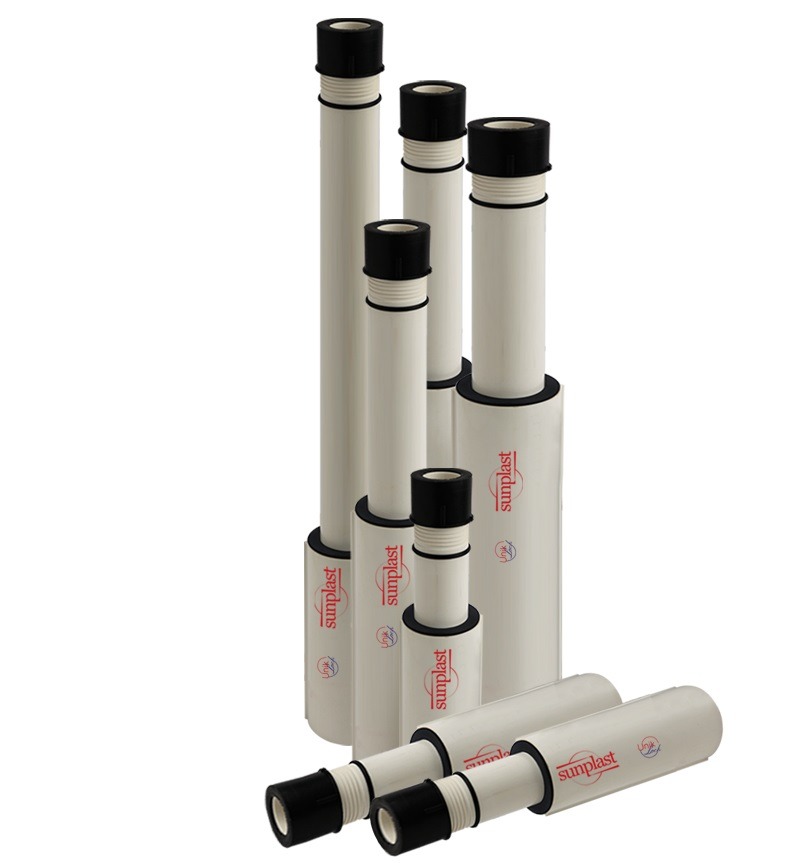
CPVC pipe Supplier

How Long Does PVC Pipe Last? A Comprehensive Guide to PVC Pipe Lifespan

PVC pipes are the backbone of modern plumbing and construction projects, renowned for their durability, affordability, and versatility. Homeowners, contractors, and engineers often wonder: "How long does PVC pipe last?" This question reflects a crucial concern regarding the lifespan, durability, and maintenance of PVC pipes. In this comprehensive guide, we delve into the intricacies of PVC pipe lifespan, exploring the factors influencing longevity, typical lifespan expectations, and practical tips for extending the durability of PVC pipes.

Understanding PVC Pipe Lifespan

PVC, or polyvinyl chloride, pipes are synthetic plastic pipes widely used in various applications, including water distribution, drainage systems, irrigation, and chemical transportation. Understanding the lifespan of PVC pipes entails considering multiple factors that affect their longevity.

Factors Influencing PVC Pipe Lifespan

Environmental Conditions:
  • Temperature Extremes: PVC pipes can withstand a wide range of temperatures, but extreme heat or cold can affect their structural integrity.
  • Exposure to Sunlight and UV Radiation: Prolonged exposure to sunlight can degrade PVC pipes over time, leading to brittleness and discoloration.
Installation Quality:
  • Proper installation techniques, including adequate support, alignment, and joint connections, play a crucial role in determining the lifespan of PVC pipes.
Water Quality:
  • The pH level and chemical composition of water flowing through PVC pipes can impact their longevity. Aggressive or corrosive water can accelerate pipe deterioration.
Maintenance Practices:
  • Regular inspection, maintenance, and timely repairs can significantly extend the lifespan of PVC pipes, ensuring optimal performance and reliability.

Typical Lifespan of PVC Pipes

The lifespan of PVC pipes varies depending on several factors, including environmental conditions, installation quality, and maintenance practices. Under normal circumstances and proper care, PVC pipes can last for several decades. On average, PVC pipes are expected to have a lifespan of 50 to 100 years, making them a durable and long-lasting option for plumbing and infrastructure projects.

However, it's essential to note that the actual lifespan of PVC pipes may deviate from this average range due to specific factors unique to each installation. Factors such as temperature fluctuations, exposure to harsh chemicals, soil conditions, and installation errors can either extend or shorten the lifespan of PVC pipes.

Factors Impacting PVC Pipe Longevity

Temperature Extremes:
  • PVC pipes are known for their ability to withstand temperature variations, but extreme temperatures can still impact their durability. High temperatures can soften PVC pipes while freezing temperatures can cause them to become brittle and prone to cracking.
Exposure to Sunlight and UV Radiation:
  • Prolonged exposure to sunlight and UV radiation can degrade the molecular structure of PVC pipes, leading to color fading, surface cracking, and reduced mechanical strength. Proper insulation or UV-resistant coatings can mitigate this issue.
Chemical Exposure:
  • PVC pipes may come into contact with various chemicals in water or soil, which can affect their integrity over time. Chemicals such as chlorine, acids, and solvents can cause corrosion or deterioration of PVC pipes, especially if they're not designed to withstand such substances.
Soil Conditions:
  • The composition and pH level of the soil surrounding PVC pipes can impact their longevity. Acidic or alkaline soil conditions can accelerate corrosion or chemical reactions that degrade the pipe material.
Installation Techniques:
  • Proper installation practices, including adequate support, proper alignment, and appropriate joint connections, are critical for ensuring the long-term performance of PVC pipes. Poor installation can lead to stress concentrations, leaks, or premature failures.
Water Quality and pH Levels:
  • The quality of water flowing through PVC pipes, including its pH level and chemical composition, can affect the pipe's integrity. Highly acidic or alkaline water can accelerate corrosion or chemical reactions that degrade PVC pipes over time.
Maintenance and Repair Practices:
  • Regular inspection, maintenance, and prompt repairs are essential for preserving the lifespan of PVC pipes. Periodic checks for leaks, corrosion, or structural damage can prevent minor issues from escalating into major problems, prolonging the overall lifespan of the pipes.

Extending the Lifespan of PVC Pipes

While PVC pipes are known for their longevity, proactive maintenance and proper installation can significantly extend their lifespan, ensuring reliable performance for years to come. Here are some practical tips for maximizing the durability of PVC pipes:

Proper Installation Techniques

  • Follow Manufacturer Guidelines: Ensure PVC pipes are installed according to manufacturer guidelines, with proper support, alignment, and joint connections.
  • Secure Connections: Use appropriate fittings and solvent cement for secure and leak-free connections.
  • Avoid Stress: Avoid sharp bends or excessive stress on the pipes during installation to prevent premature failure.

Insulation and Protection

  • Shield from Sunlight: Shield PVC pipes from direct sunlight and UV radiation by burying them underground or using protective wraps or coatings.
  • Insulate Pipes: Insulate pipes exposed to extreme temperatures to prevent freezing or overheating, which can compromise their integrity.

Regular Inspections

  • Conduct Routine Inspections: Conduct routine inspections of PVC pipes to check for signs of damage, leaks, or corrosion.
  • Monitor Vulnerable Areas: Pay attention to areas prone to wear and tear, such as joints, bends, and connections.
  • Address Issues Promptly: Address any issues promptly to prevent further deterioration and extend the lifespan of the pipes.

Water Quality Management

  • Monitor Water Quality: Monitor the quality of water flowing through PVC pipes, especially in areas with aggressive or corrosive water conditions.
  • Install Filtration Systems: Install water filtration or treatment systems to minimize the presence of harmful chemicals or contaminants that can degrade the pipes.

Maintenance and Repair

  • Implement Regular Maintenance: Implement a regular maintenance schedule for cleaning, flushing, and inspecting PVC pipes.
  • Immediate Repairs: Repair any leaks, cracks, or damage immediately to prevent water loss, property damage, and structural issues.
  • Use Appropriate Methods: Use appropriate repair methods and materials recommended for PVC pipes to ensure lasting repairs.

By following these guidelines and adopting proactive maintenance practices, homeowners and contractors can maximize the lifespan of PVC pipes, ensuring efficient and reliable plumbing systems for years to come.

Conclusion:

In conclusion, the lifespan of PVC pipes is influenced by various factors, including environmental conditions, installation quality, water quality, and maintenance practices. While PVC pipes are inherently durable, proactive measures such as proper installation, insulation, regular inspections, and timely repairs are essential for extending their longevity. By understanding the factors affecting PVC pipe lifespan and implementing preventive measures, homeowners and contractors can ensure the long-term performance and reliability of their plumbing infrastructure. Remember, investing in maintenance today can save you from costly repairs tomorrow, making PVC pipes a sustainable and cost-effective choice for plumbing and construction projects.

Related Resources

Gi Pipes Manufacturer Pvc Pipe Manufacturer Steel Pipe Manufacturer HDPE Pipe Manufacturer
Polyethylene Pipe Manufacturer PVC-U Pipe Manufacturer Galvanized Pipe Manufacturer CPVC Pipe Manufacturer

Frequently Asked Questions (FAQs)


Q1: How long does PVC pipe last?
A: PVC pipes can last anywhere from 50 to 100 years under normal conditions with proper installation and maintenance.


Q2: What factors influence the lifespan of PVC pipes?
A: Environmental conditions, installation quality, water quality, exposure to sunlight, and maintenance practices all affect PVC pipe longevity.


Q3: Can PVC pipes withstand extreme temperatures?
A: Yes, PVC pipes are designed to withstand a wide range of temperatures, but extreme heat or cold can affect their durability.


Q4: How can I protect PVC pipes from UV radiation?
A: Burying PVC pipes underground or using protective wraps/coatings can shield them from direct sunlight and UV radiation.


Q5: What maintenance is required to prolong the PVC pipe lifespan?
A: Regular inspections, prompt repairs of leaks or damages, and monitoring water quality are essential maintenance tasks to extend PVC pipe lifespan.

Send Enquiry

Send Enquiry

Talk to us today about your requirements

WhatsApp