

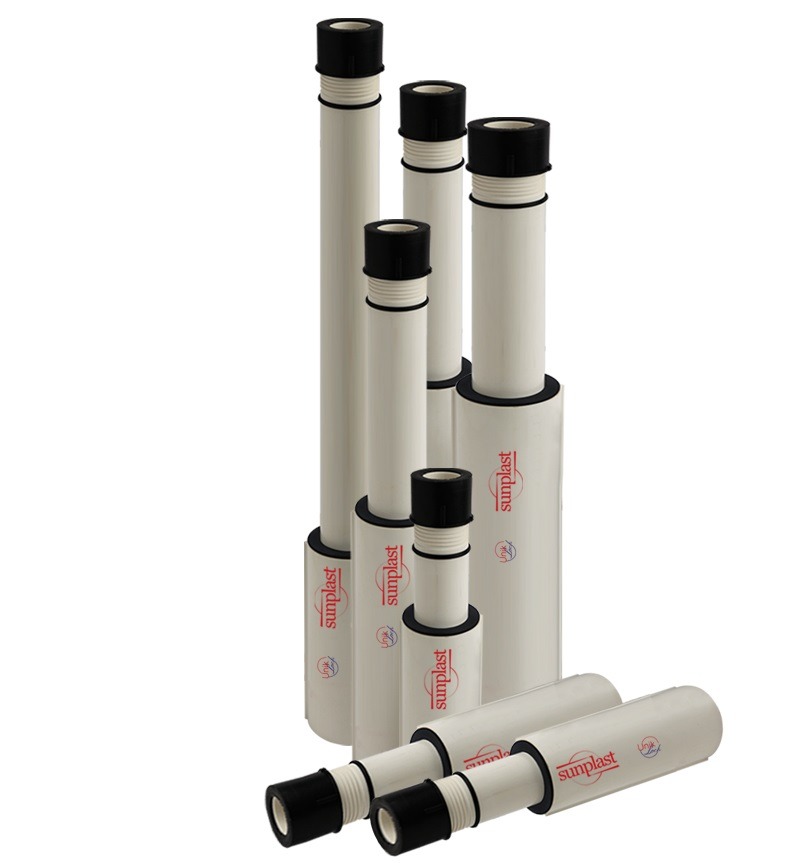
Proper gas pipe installation is crucial for ensuring the safety and functionality of your home's gas system. This guide provides a comprehensive overview of the gas line setup procedures, detailing the tools and materials needed, step-by-step instructions, and essential safety precautions. Whether you're a DIY enthusiast or seeking to understand the process before hiring a professional, this article covers everything you need to know about installing gas pipes.
Learn how to safely and effectively install gas pipes in your home with our comprehensive step-by-step guide. Discover the tools, materials, and precautions needed for a successful gas pipe installation.
Proper gas pipe installation is essential to ensure your home's safety and the efficient operation of gas-powered appliances. This process involves selecting the right materials, following precise steps, and adhering to safety standards to prevent leaks and potential hazards. With careful planning and execution, you can achieve a reliable and safe gas line setup.
Proper gas pipe installation is essential to ensure your home's safety and the efficient operation of gas-powered appliances. This process involves selecting the right materials, following precise steps, and adhering to safety standards to prevent leaks and potential hazards. With careful planning and execution, you can achieve a reliable and safe gas line setup.
Installing gas pipes involves detailed planning, the right tools and materials, and strict adherence to safety procedures. Whether you're performing the installation yourself or hiring a professional, understanding the gas pipeline installation steps is essential. Always prioritize safety and consult professionals when in doubt.
| Gi Pipes Manufacturer | Pvc Pipe Manufacturer | Steel Pipe Manufacturer | HDPE Pipe Manufacturer |
| Polyethylene Pipe Manufacturer | PVC-U Pipe Manufacturer | Galvanized Pipe Manufacturer | CPVC Pipe Manufacturer |
Q1: Can I install gas pipes myself, or should I hire a professional?
Answer: If you have no prior experience, it is strongly recommended to hire a professional. Gas line installation requires precise work and adherence to safety standards to prevent leaks and hazards.
Q2: What type of pipes should I use for gas line installation?
Answer: Commonly used pipes for gas lines include PE gas pipes for main pipelines and aluminum plastic composite pipes for home decoration projects. Always consult local regulations and standards.
Q3: How do I test for gas leaks after installation?
Answer: Apply a leak detection solution over the seams of your gas line. If bubbles appear, there is a leak that needs to be addressed by tightening the connections or reapplying pipe dope.
Q4: What should I do if I detect a gas leak?
Answer: Immediately turn off the gas supply, ventilate the area, and contact a professional. Do not attempt to fix major leaks yourself.
Q5: Why is pipe dope preferred over tape for sealing gas pipe threads?
Answer: Pipe dope creates a more durable and airtight seal compared to tape, which can loosen over time and lead to leaks.
