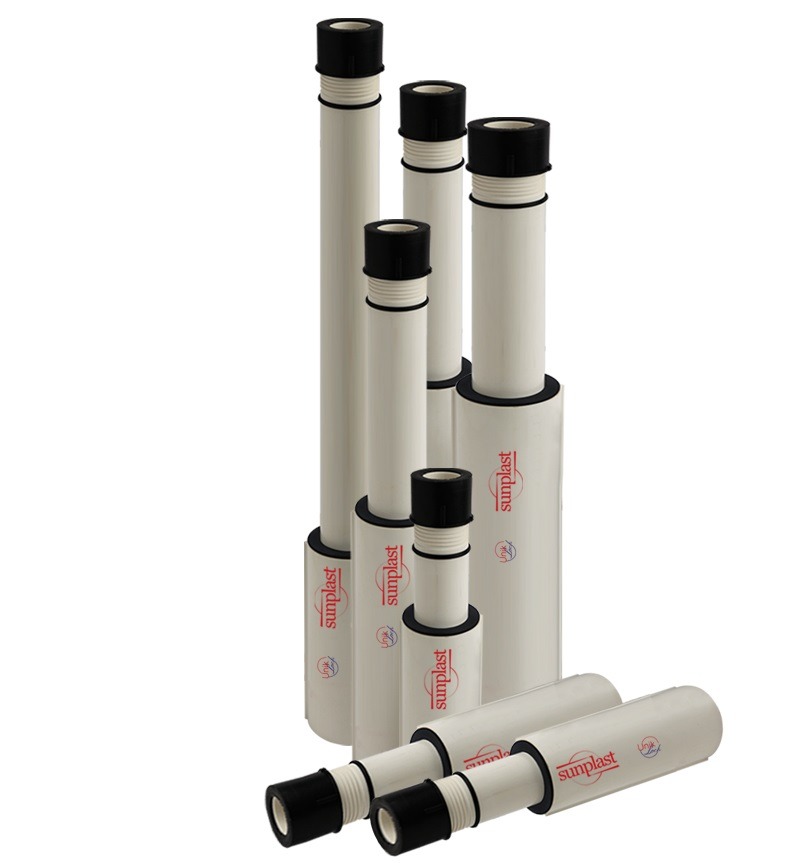
CPVC pipe Supplier

The Ultimate Guide to Galvanized Pipe Replacement Cost: Everything You Need to Know

Galvanized pipes, once a popular choice for plumbing, now pose significant risks due to corrosion and deterioration. As homeowners grapple with aging infrastructure, understanding the galvanized pipe replacement cost becomes paramount. This comprehensive guide aims to demystify the expenses associated with upgrading your plumbing system, empowering you to make informed decisions for your property and your family's well-being.

Galvanized pipes, coated with zinc to prevent rust, were widely used in residential plumbing systems until the mid-20th century. However, over time, the protective zinc layer erodes, leading to corrosion, leaks, and potential health hazards. As the need for cost-effective replacement grows, navigating the complexities of galvanized pipe upgrade expenses and removal pricing becomes crucial.

In this guide, we'll delve into the factors influencing galvanized pipe replacement cost, explore strategies for cost-effective upgrades, and provide real-life case studies to illustrate the financial implications of pipe replacement. Whether you're a homeowner facing aging plumbing or a professional seeking insights into managing replacement expenses, this guide is your go-to resource for understanding and budgeting for galvanized pipe replacement cost.

Understanding Galvanized Pipe Replacement Cost

Galvanized pipes have served homes for decades, but their lifespan is finite. When contemplating the cost of replacing galvanized pipes, it's essential to grasp the intricacies involved.

Factors Affecting the Cost

  • Material and Labor Expenses: The cost varies based on the type of pipes chosen and the rates charged by contractors.
  • Pipe Size and Length: Larger pipes and longer systems require more materials and labour, thus increasing overall costs.
  • Accessibility and Location: Pipes hidden behind walls or under concrete floors may incur higher labour costs due to the need for demolition and reconstruction.
  • Additional Repairs or Upgrades: Addressing underlying issues like water damage or outdated fixtures can add to the total expenses.
  • Professional vs. DIY Options: While hiring professionals ensures quality workmanship, opting for DIY solutions can reduce labour costs but may lack expertise and warranty coverage.

Real-life Scenarios and Cost Examples

  • Urban Residence: A homeowner in a metropolitan area may expect higher costs due to market demand and accessibility challenges.
  • Rural Property: Conversely, a rural homeowner might face lower labour expenses but higher material costs due to limited availability.

By considering these factors, homeowners can anticipate and budget for the galvanized pipe replacement cost-effectively.

Why Replace Galvanized Pipes?

Understanding the necessity of replacing galvanized pipes is pivotal in assessing the overall cost. While initially durable, these pipes deteriorate over time, leading to several compelling reasons for replacement.

Risks Associated with Old Galvanized Pipes

  • Corrosion: As the zinc coating wears away, galvanized pipes become susceptible to corrosion, leading to leaks and potential water damage.
  • Water Quality Concerns: Corroded pipes can contaminate water with rust, sediment, and other impurities, compromising the health and safety of occupants.
  • Reduced Water Pressure: The build-up of rust and mineral deposits can restrict water flow, causing low water pressure and inefficient plumbing performance.

Impact on Property and Health

  • Structural Damage: Leaking pipes can cause structural damage to walls, floors, and foundations, necessitating costly repairs.
  • Health Hazards: Contaminated water poses health risks, including gastrointestinal issues, skin irritation, and respiratory problems, especially for vulnerable populations like children and the elderly.

How to Determine the Cost of Galvanized Pipe Replacement

To accurately assess the galvanized pipe replacement cost, homeowners must undertake a thorough evaluation of their plumbing system and consider various factors influencing expenses.

Steps to Assess Pipe Condition

  • Visual Inspection: Look for signs of corrosion, rust, and leaks along the length of the pipes.
  • Water Quality Testing: Conduct water tests to identify any contaminants or irregularities.
  • Consultation with Professionals: Seek guidance from licensed plumbers or contractors to evaluate the overall condition of the plumbing system.

Obtaining Quotes and Understanding Costs

  • Multiple Estimates: Obtain quotes from multiple contractors to compare prices and services offered.
  • Breakdown of Expenses: Request detailed estimates outlining material costs, labour charges, permits, and any additional fees.

Strategies for Cost-Effective Galvanized Pipe Replacement

Replacing galvanized pipes can be a significant investment, but there are several strategies homeowners can employ to manage expenses without compromising quality or safety.

Exploring Alternative Pipe Materials

  • Copper: While initially more expensive than galvanized steel, copper pipes offer longevity and corrosion resistance, potentially reducing long-term maintenance costs.
  • PEX (Cross-linked Polyethylene): PEX piping is a cost-effective alternative known for its flexibility, durability, and resistance to corrosion and freezing, making it an attractive option for repiping projects.

DIY vs. Hiring Professionals

  • Pros of DIY: DIY enthusiasts can save on labour costs by tackling certain aspects of the project themselves, such as demolition or minor repairs.
  • Benefits of Hiring Professionals: Licensed plumbers possess the expertise and equipment necessary to ensure proper installation, compliance with building codes, and warranty coverage for the work performed.

Financing Options and Assistance Programs

  • Home Equity Loans or Lines of Credit: Utilizing home equity can provide access to funds for major home improvement projects, including plumbing upgrades.
  • Government Grants or Rebates: Some municipalities offer financial incentives or assistance programs to encourage homeowners to replace outdated plumbing systems with more efficient and sustainable alternatives.

Case Studies: Galvanized Pipe Replacement Cost Comparisons

Examining real-life scenarios can provide valuable insights into the potential cost variations associated with galvanized pipe replacement.

Case Study 1: Urban Household

Scenario: An urban homeowner residing in a densely populated area requires extensive plumbing upgrades due to widespread corrosion and leaks.

Cost Breakdown: Higher labour expenses due to accessibility challenges and competitive market rates.

Total Cost: $5,000 - $10,000 for materials and labor.

Case Study 2: Rural Property

Scenario: A homeowner in a rural setting seeks to replace aging galvanized pipes in a single-family dwelling with limited plumbing fixtures.

Cost Breakdown: Lower labour costs but higher material expenses due to transportation and availability constraints.

Total Cost: $3,000 - $6,000 for materials and labor.

By considering these strategies and case studies, homeowners can effectively manage the galvanized pipe replacement cost and make informed decisions about upgrading their plumbing systems.

Expert Tips for Managing Galvanized Pipe Replacement Expenses

Implementing proactive measures and seeking expert guidance can help homeowners minimize galvanized pipe replacement costs while ensuring the integrity and safety of their plumbing systems.

Maintenance Strategies to Prolong Pipe Lifespan

  • Regular Inspections: Schedule periodic inspections to identify and address any signs of corrosion, leaks, or damage promptly.
  • Flushing and Cleaning: Flushing the plumbing system and cleaning fixtures can help remove sediment and mineral deposits, reducing strain on pipes.
  • Temperature Monitoring: Avoid exposing galvanized pipes to extreme temperatures, as fluctuations can accelerate corrosion and deterioration.

Identifying Early Signs of Pipe Deterioration

  • Visible Corrosion: Look for signs of rust or discolouration on exposed pipes, indicating corrosion and potential structural weakness.
  • Water Quality Changes: Monitor changes in water colour, taste, or odour, which may signal contamination or pipe degradation.
  • Reduced Water Pressure: Pay attention to fluctuations in water pressure, as this could indicate blockages or damage within the plumbing system.

Budgeting and Prioritizing Repairs

  • Long-Term Planning: Allocate funds for future plumbing upgrades as part of your home maintenance budget, considering the age and condition of existing pipes.
  • Prioritization: Address critical repairs and replacements first, focusing on areas with visible damage or significant impact on water quality and safety.

Conclusion:

Navigating the complexities of galvanized pipe replacement cost requires careful consideration of various factors, from material and labour expenses to maintenance strategies and financing options. By understanding the importance of upgrading outdated plumbing systems and implementing cost-effective solutions, homeowners can safeguard their property and ensure the well-being of their families. Whether you're facing the challenges of urban living or enjoying the tranquillity of rural life, the need to address aging galvanized pipes remains paramount. By following the strategies and insights outlined in this guide, you can confidently navigate the process of replacing galvanized pipes while minimizing costs and maximizing value.

Frequently Asked Questions (FAQs)


Q1: What factors influence PVC pipe weight capacity?
Diameter, thickness, material grade, and installation conditions.


Q2: What are the differences between Schedule 40 and furniture-grade PVC pipes?
Schedule 40 is for plumbing; furniture grade is for aesthetics and lower-pressure applications.


Q3: How do I determine the weight capacity of PVC pipes?
Consult manufacturer specifications, use engineering guidelines, and consider mathematical formulas.


Q4: How can I ensure the safe usage of PVC pipes?
Provide proper support, avoid chemical exposure, and follow industry standards.


Q5: Why is it important to know the weight capacity of PVC pipes?
To prevent failures, ensure safety, and design effective pipe systems.

Send Enquiry

Send Enquiry

Talk to us today about your requirements

WhatsApp