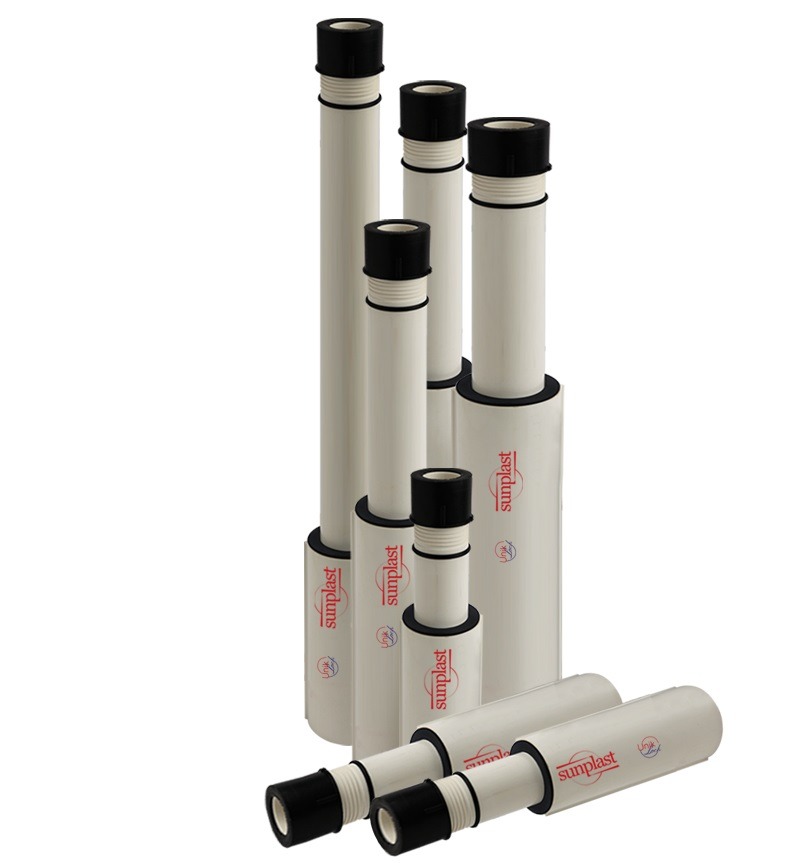
CPVC pipe Supplier

Best Pipe for Air Compressor Lines: A Comprehensive Guide

Choosing the right pipe for your air compressor system is crucial for maintaining efficiency, safety, and cost-effectiveness. Selecting the best pipe for air compressor lines can prevent issues such as leaks, corrosion, and safety hazards, ensuring smooth operations in your facility.

When it comes to air compressor pipe selection, understanding the various options and their specific advantages is essential. This guide will explore different types of pipes suitable for air compressor lines, helping you make an informed decision. Whether you are setting up a new system or upgrading an existing one, our air line piping recommendations will guide you toward the best choice for your needs.

Understanding the Importance of the Right Piping

Choosing the right piping for your air compressor system is more than just a technical decision; it's a vital aspect of ensuring your operations run smoothly. Improper piping can lead to:

  • Leaks: Inefficient seals can cause air loss, reducing system efficiency.
  • Corrosion: Some materials are prone to rust, which can contaminate the air and damage tools.
  • Safety Hazards: Brittle or unsuitable pipes can break under pressure, posing serious risks to personnel.

Selecting the best pipe for air compressor lines can mitigate these issues, providing reliable performance and safety.

Common Types of Pipes for Air Compressor Lines

Selecting the right type of pipe for your air compressor lines is crucial to ensure system efficiency, durability, and safety. Each type of pipe has its unique advantages and disadvantages, making it suitable for different applications. Here’s a detailed look at the most common types of pipes used in air compressor systems.

Aluminum Pipe

Benefits:

  • Lightweight and Easy to Handle: Aluminum pipes are significantly lighter than other metal pipes, making them easier to transport and install. This reduces labor costs and installation time.
  • Highly Resistant to Corrosion: Aluminum does not rust, making it an excellent choice for applications where maintaining air purity is essential. This characteristic also means lower maintenance requirements and longer lifespan.
  • Ideal for Clean Air Applications: Due to its non-corrosive nature, aluminum piping is ideal for systems that require clean air, such as in pharmaceutical or food processing industries.

Drawbacks:

  • Cost: While aluminum pipes offer many benefits, they can be more expensive than other options. However, their long-term durability and reduced maintenance can offset the initial investment.

Black Iron Pipe

Benefits:

  • Durable and Strong: Black iron pipes are known for their strength and durability, making them a reliable choice for heavy-duty applications.
  • Widely Available: This type of pipe is easily accessible and familiar to most installers, which can simplify the procurement and installation process.

Drawbacks:

  • Prone to Rust and Contamination: Black iron pipes are susceptible to rust when exposed to moisture. This rust can contaminate the compressed air, leading to potential damage to pneumatic tools and machinery.
  • Extensive Installation Time: Installing black iron pipes requires significant time and effort, especially when planning for future expansions or modifications. The need to depressurize the system for changes further complicates the process.

Stainless Steel Pipe

Benefits:

  • Excellent Corrosion Resistance: Stainless steel pipes combine the strength of black iron with superior resistance to corrosion, making them ideal for harsh environments.
  • Strong and Durable: These pipes can withstand high pressures and temperatures, ensuring reliable performance in demanding applications.

Drawbacks:

  • High Cost: Stainless steel pipes are more expensive than other materials, which can be a limiting factor for some projects.
  • Maintenance Challenges: The threads on stainless steel pipes can freeze up, making disassembly and maintenance difficult.

Copper Pipe

Benefits:

  • High Quality and Aesthetic Appeal: Copper pipes are not only functional but also visually appealing. They are often chosen for installations where appearance matters, such as in high-end workshops or laboratories.
  • Corrosion Resistance: Copper naturally resists corrosion, ensuring clean air delivery without the risk of contamination.

Drawbacks:

  • Expensive: Copper pipes can be cost-prohibitive due to the high price of copper as a raw material.
  • Complex Installation: Soldering copper joints requires skill and precision, making the installation process more labor-intensive and time-consuming.

Galvanized Pipe

Drawbacks:

  • Not Recommended for Compressed Air: Although galvanized pipes are commonly used for water distribution, they are not suitable for compressed air systems. The zinc coating can flake off, contaminating the air and damaging pneumatic tools.
  • Potential Contamination Risks: The presence of zinc particles in the air stream can lead to serious maintenance issues and equipment failure.

PVC Pipe

Drawbacks:

  • Brittleness and Shattering Risk: PVC pipes become brittle over time, especially when exposed to oils and heat from compressed air. This can lead to sudden shattering, posing significant safety hazards.
  • Prohibited by OSHA: The Occupational Safety and Health Administration (OSHA) prohibits the use of PVC pipes for compressed air systems due to the high risk of failure and injury.

Choosing the Right Pipe Size for Your Air Compressor

Selecting the correct pipe size is critical to maintaining adequate air pressure throughout your system. Pipe sizing is typically based on the CFM (Cubic Feet per Minute) requirements of your system. Using the correct pipe size helps maintain consistent air pressure and prevents pressure drops, ensuring efficient operation of your pneumatic tools. For example, smaller pipes are suitable for lower CFM requirements, while larger pipes are necessary for systems with higher airflow demands.

Advanced Solutions: Prevost Piping System

The Prevost Piping System is a top choice for those seeking high performance and reliability in their air compressor systems. Made from 100% aluminum, it offers several advantages:

  • Lightweight and Easy Installation: Aluminum pipes are easier to handle and install, reducing labor costs and time.
  • High Resistance to Corrosion and Leaks: Ensuring long-term durability and minimal maintenance.
  • Modular and Scalable Design: The Prevost Piping System is designed for easy expansion and modification, allowing you to adapt to changing needs without significant overhauls.

Featuring PPS1 fittings, the Prevost system ensures a secure, leak-proof connection, providing optimal performance and longevity. Its smooth internal surface reduces friction, enhancing airflow and efficiency.

Conclusion:

Choosing the best pipe for air compressor lines is essential for efficient and safe operations. Consider your specific needs, including the type of air used, pressure requirements, and budget. For expert advice and high-performance solutions, consult with specialists who can guide you in making the best choice for your air compressor system.

Frequently Asked Questions (FAQs)


Q1: What is the best air compressor pipe for clean air?
Aluminum and copper pipes are excellent choices for clean air applications due to their resistance to corrosion and ability to maintain air purity.


Q2: Which pipes are most resistant to corrosion?
Aluminum, stainless steel, and copper pipes are highly resistant to corrosion, making them ideal for long-term use in air compressor systems.


Q3: What should I avoid in air compressor piping?
Avoid using PVC and galvanized pipes due to safety and contamination risks. These materials can degrade over time and pose serious hazards.

Send Enquiry

Send Enquiry

Talk to us today about your requirements

WhatsApp