

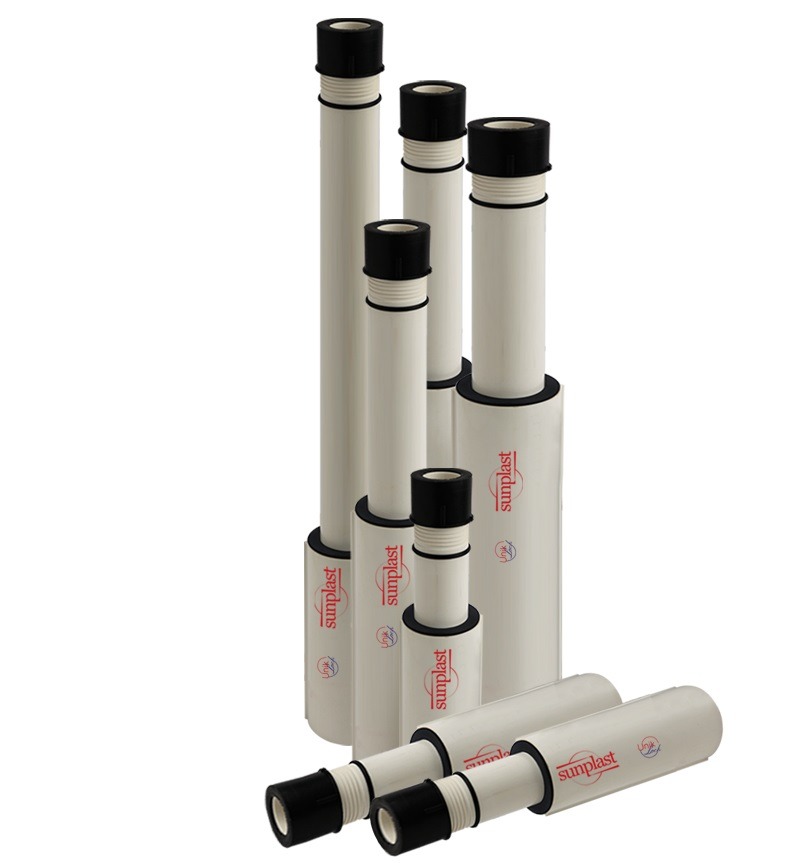
In industries ranging from agriculture to manufacturing, suction hoses play a crucial role in fluid transfer applications. These flexible conduits are designed to efficiently transport liquids, slurries, and gases by creating a vacuum to draw materials into a system. Understanding the suction hose varieties available is essential for selecting the right option to meet specific operational requirements.
Are you searching for comprehensive insights into the different suction pipe options available? Look no further. In this article, we delve into the diverse world of suction hoses, exploring various types, materials, and applications. Whether you're a seasoned professional or a newcomer to fluid handling systems, this guide aims to provide valuable information to aid in your decision-making process. So, let's dive in and explore the wide array of suction hose types at your disposal.
Before delving into the specifics of various suction hose types, it's crucial to grasp the fundamental principles behind these essential components. Suction hoses, also known as suction pipes or suction tubes, serve as conduits for transferring liquids, gases, or mixtures by creating a vacuum to draw materials into a system. They are commonly employed in industries such as agriculture, construction, mining, and manufacturing, where the efficient movement of fluids is paramount.
Rubber Suction Hoses:
PVC Suction Hoses:
Polyethylene Suction Hoses:
Composite Suction Hoses:
Stainless Steel Suction Hoses:
Other Specialized Suction Hoses:
By understanding the characteristics, applications, and benefits of each type of suction hose, you can make an informed decision based on your specific operational needs. Whether you prioritize flexibility, chemical resistance, or temperature tolerance, there's a suction hose type to suit your requirements.
Selecting the appropriate suction hose involves careful consideration of various factors to ensure optimal performance and longevity. By evaluating the following criteria, you can identify the most suitable option for your specific application:
Proper maintenance and care are essential for maximizing the lifespan and performance of your suction hoses. By following these guidelines, you can ensure the longevity and reliability of your hose investment:
In summary, understanding the various types of suction hoses and their respective characteristics is crucial for selecting the optimal solution for your fluid transfer needs. Whether you require flexibility, chemical resistance, or high-temperature performance, there's a suction hose type available to meet your specific requirements. By considering factors such as operating conditions, material compatibility, flexibility, and durability, you can confidently choose the right suction hose for your application, ensuring efficiency, reliability, and safety in fluid handling operations. Additionally, implementing proper maintenance and care practices will prolong the service life of your suction hoses, minimizing downtime and maximizing productivity in your operations.
| Gi Pipes Manufacturer | Pvc Pipe Manufacturer | Steel Pipe Manufacturer | HDPE Pipe Manufacturer |
| Polyethylene Pipe Manufacturer | PVC-U Pipe Manufacturer | Galvanized Pipe Manufacturer | CPVC Pipe Manufacturer |
Q1: Can I use a PVC suction hose for transferring chemicals?
A: PVC suction hoses are suitable for water and mild chemical transfer but may not be compatible with aggressive chemicals. Consider alternative materials for chemical applications.
Q2: How often should I inspect my suction hoses?
A: It's recommended to conduct visual inspections of your suction hoses regularly, ideally before each use, to identify any signs of wear, damage, or degradation.
Q3: Can I repair a damaged suction hose?
A: Minor damages such as small cracks or abrasions may be repaired using hose repair kits or specialized adhesive patches. However, severe damage may necessitate hose replacement.
Q4: Are stainless steel suction hoses flexible?
A: While stainless steel suction hoses offer excellent durability and corrosion resistance, they are typically less flexible than rubber or PVC hoses and may require additional support for bending.
Q5: How should I store my suction hoses when not in use?
A: Store suction hoses in a clean, dry, and well-ventilated area away from direct sunlight and sources of heat or chemicals. Coil the hoses loosely and protect them from physical damage.
